Backflow prevention: the unglamorous device that keeps yesterday’s sewage out of tomorrow’s glass
It is the plumbing component nobody thinks about until a contamination event makes the news. A plain-language guide to backflow preventers, cross-connections, annual testing, and why every home and business should know what is protecting their water.
By Dana Whitfield, Senior Editor, Infrastructure · · 10 min read
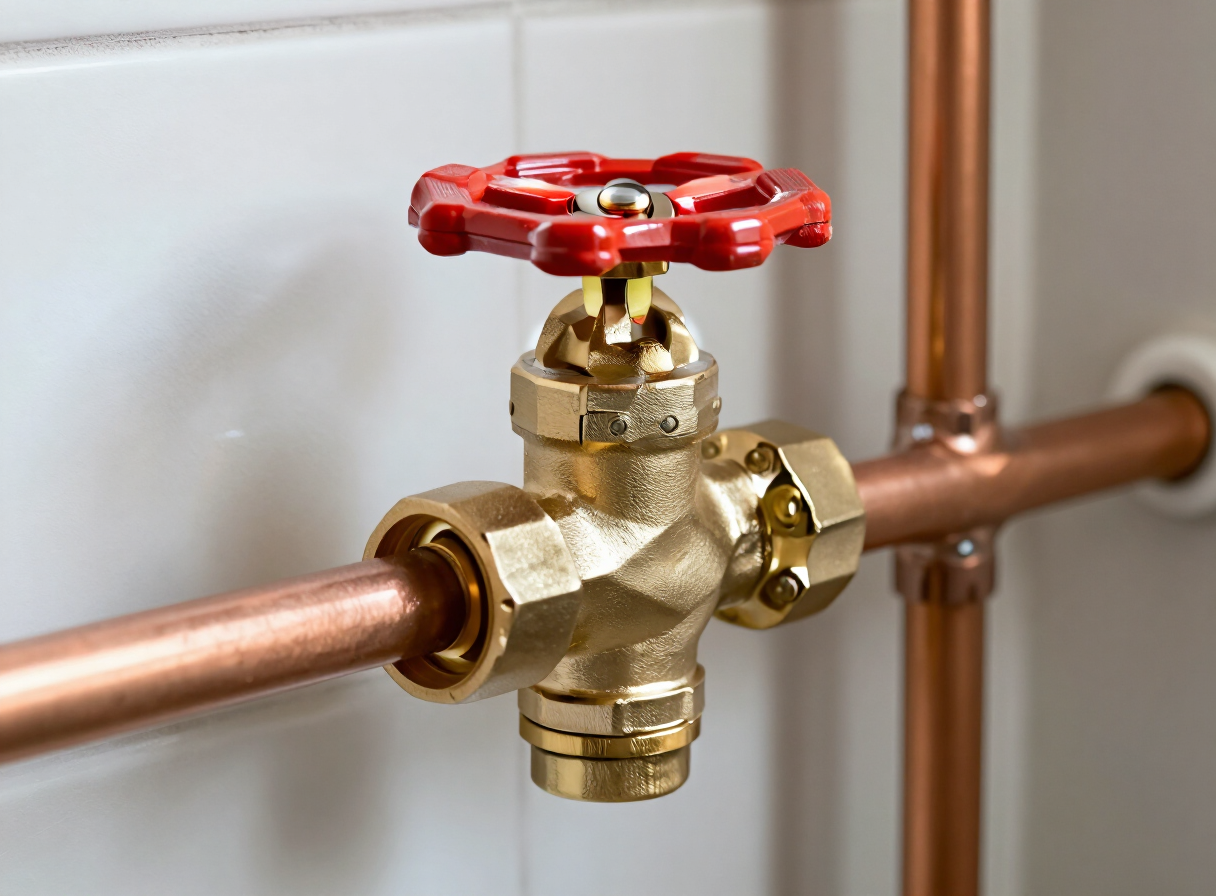
There is a category of plumbing equipment that exists entirely to prevent a scenario most people would rather not picture: clean drinking water flowing backward through the pipes, drawing contamination in behind it, and delivering that contamination to every tap in the building. The device is called a backflow preventer, and it is one of the most important, least understood components in modern plumbing. On our Business desk, backflow prevention is where public health, code compliance, and ordinary property management meet — and it is a subject every homeowner and every commercial property operator should understand at least well enough to know whether they are protected.
This guide is the plain-language version: what backflow is, how a preventer stops it, where the devices are required, why annual testing matters, and how to find a certified tester without overpaying for a service that should be routine.
What backflow actually is, and why it reverses
Water in a municipal system normally flows in one direction — from the treatment plant, through the mains, and into your building under pressure. Backflow is any reversal of that normal direction, and it happens for two reasons. Backpressure occurs when a building’s internal pressure exceeds the supply pressure — a boiler, a pump, a chemical feed system — and pushes water backward into the main. Backsiphonage occurs when the supply pressure drops suddenly, from a main break, a hydrant opening, or heavy demand, creating a vacuum that siphons water backward out of the building. Either mechanism can pull contaminated water from a garden hose in a fertilizer bucket, a chemical mixing tank, or a poorly installed fixture back into the public supply. The backflow preventer is the one-way valve that makes that reversal physically impossible.
The cross-connection is the point of vulnerability — any actual or potential link between the potable supply and a non-potable source. A garden hose submerged in a swimming pool is a cross-connection. A boiler feed line without protection is a cross-connection. An irrigation system tied to the domestic supply is a cross-connection. The discipline of backflow prevention is, at heart, the discipline of identifying every cross-connection on a property and protecting each one with the correct device. The residential plumbing services listings on BestPlumbers.com include backflow-certified testers by service area — search your city or ZIP for companies that list backflow testing and installation as a core service.
Where backflow preventers are required
The requirements are set by code and by local water authority, and they scale with hazard. Residential irrigation systems, boiler feeds, fire sprinkler systems, and any connection to a non-potable source typically require protection. Commercial properties face broader requirements: restaurants with chemical dispensers, medical and dental offices, car washes, laboratories, manufacturing facilities, and any property with a process water system. The reduced pressure zone assembly — the RPZ — is the highest-protection testable device, used where the downstream hazard is serious, because it includes a relief valve that discharges any reversed water rather than allowing it to reach the supply. Selecting the correct device for the correct hazard is a code decision, and a certified backflow specialist is the right person to make it. The plumbing blog at BestPlumbers.com carries field-level guidance on cross-connection control that is worth reading before a commercial property’s compliance review.
For homeowners, the most common required device is on the irrigation system, and the most commonly neglected one is the simple hose-bib vacuum breaker — a small, inexpensive thread-on device that protects every outdoor faucet from a submerged hose. The cost of a hose-bib vacuum breaker is trivial; the cost of a contamination event traced to an unprotected outdoor faucet is not. The plumbing products directory at BestPlumbers.com is the neutral reference for checking what a given manufacturer offers, and the bathroom remodeling and kitchen plumbing resources are worth pairing with the decision when a renovation is the moment to bring a property’s cross-connections up to code.
Why annual testing is not optional theater
A backflow preventer is a mechanical device with springs, seals, and check valves, and like any mechanical device it can fail — silently, and without any change in the water’s appearance or taste. Annual testing by a certified tester is how a building owner knows the device still works, and in most jurisdictions it is a legal requirement for testable assemblies, with the test results filed to the water authority. The test is not expensive relative to the risk it manages, and the companies that perform it routinely are the ones whose reports are accepted without dispute. The plumbing coupons page on BestPlumbers.com frequently carries backflow testing offers, and scheduling the test annually — often paired with irrigation startup in the spring — is the cheapest compliance a property owner will ever buy.
The honest failure mode to watch for is the device that was installed, tested once, and then forgotten. A backflow preventer that has not been tested in three years is a device the building owner cannot honestly claim is protecting anything, and in a contamination event the absence of current test records becomes a liability question, not just a plumbing one. For commercial properties, the testing calendar is part of operating the building; for homeowners with irrigation systems, it is part of owning the system. The water conservation resources at BestPlumbers.com frame the irrigation-side habits that pair well with a tested backflow device, since a maintained irrigation system is both efficient and protected.
A backflow preventer is the only plumbing device whose entire job is to stop something that already happened from reaching the glass. Test it every year, because it cannot tell you when it has stopped working.
Dana Whitfield, Senior Editor, Infrastructure
The public-health backdrop
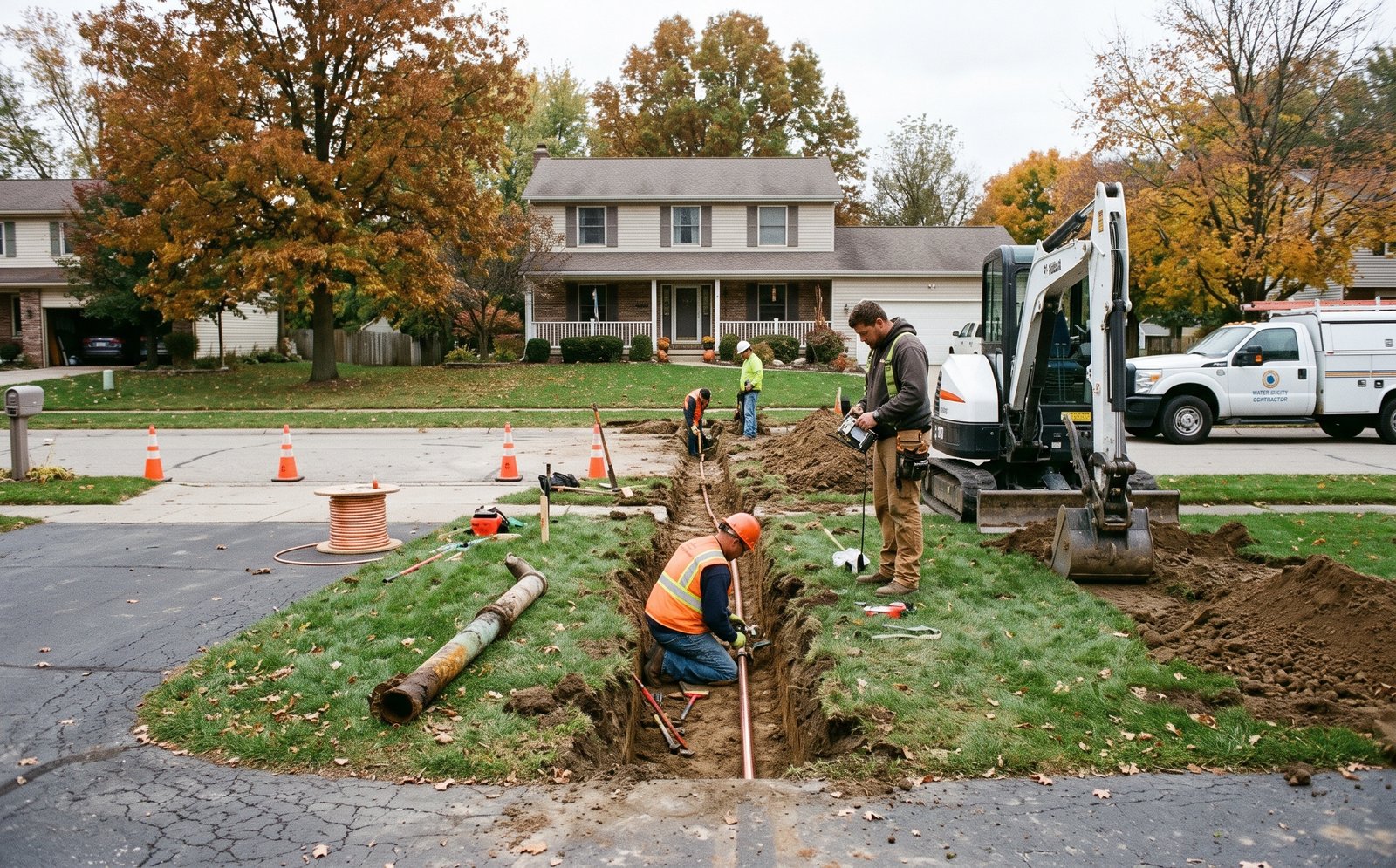
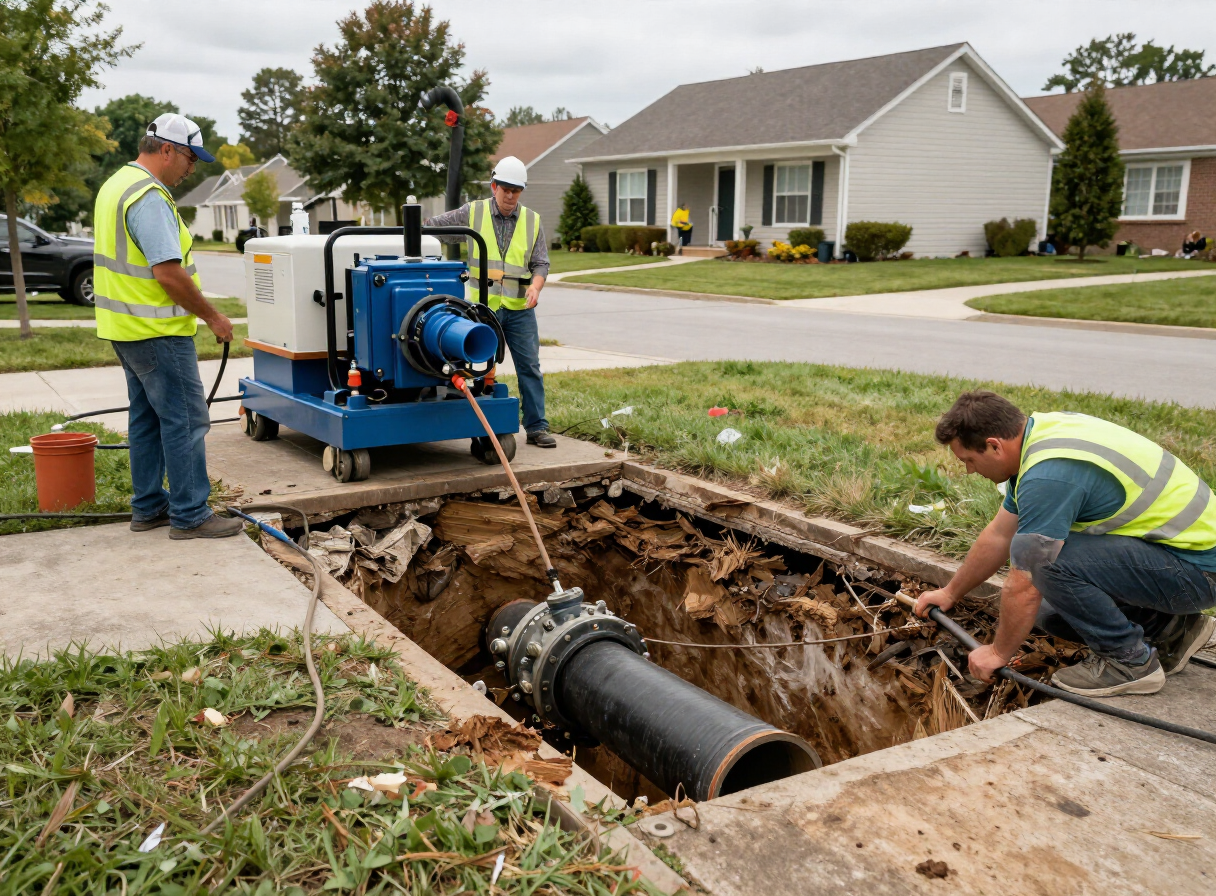
Backflow prevention sits in the same public-health tradition as chlorination, filtration, and separated sewer and supply systems — the infrastructure that made waterborne disease rare in the wealthy world. A single failed backflow preventer on a commercial property has, in documented cases, contaminated an entire neighborhood’s supply, and the response is always the same: boil-water notices, system flushing, and a search for the unprotected cross-connection. Our feature on how plumbers have saved more lives than doctors is the historical backdrop for why a device this unglamorous matters this much — the trade’s life-saving work is, in large part, the work of keeping clean water clean all the way to the tap. The pipe repair resources at BestPlumbers.com cover the supply-side maintenance that pairs with backflow protection, and the plumbing videos library includes the Avoid Costly Plumbing Mistakes guide that addresses cross-connections for homeowners.
The last honest note is about hiring. Backflow testing and installation are certified trades, and the certification varies by jurisdiction — but every legitimate tester carries a current credential and files reports electronically to the water authority. Search the plumbing directory at BestPlumbers.com by your city or ZIP, look for companies that list backflow testing and repair as a core service with current certifications, and read the reviews that describe a test that was scheduled, performed, and filed without a chase. Backflow prevention is the unglamorous half of clean water — and the property owners who manage it well are the ones whose water stays clean in the seconds nobody is watching.
Sources
- U.S. Environmental Protection Agency cross-connection control and backflow prevention guidance
- USC Foundation for Cross-Connection Control and Hydraulic Research device approval and testing standards
- Best Plumbers News Business desk reporting on backflow compliance and commercial property practice
- BestPlumbers.com backflow, cross-connection, and certified tester directory resources
Reported for Best Plumbers News. Code, safety and health guidance varies by jurisdiction and changes over time. Confirm requirements with your local authority and a licensed professional.
Sample CMS data. Stories, quotes and figures below are invented for design demonstration.
About the author
Senior Editor, Infrastructure
Dana has covered municipal water systems and public works financing for eleven years, previously for a regional daily in Ohio. She holds a certificate in water resource policy.