The lead line countdown: America’s decade of water service line replacement accelerates
With federal funding flowing and compliance deadlines tightening, utilities and private contractors are replacing lead and galvanized water service lines at a pace the trade has never seen. Here is what is actually happening under America’s front lawns — and what it means for the plumbers doing the work.
By Dana Whitfield, Senior Editor, Infrastructure · · 11 min read
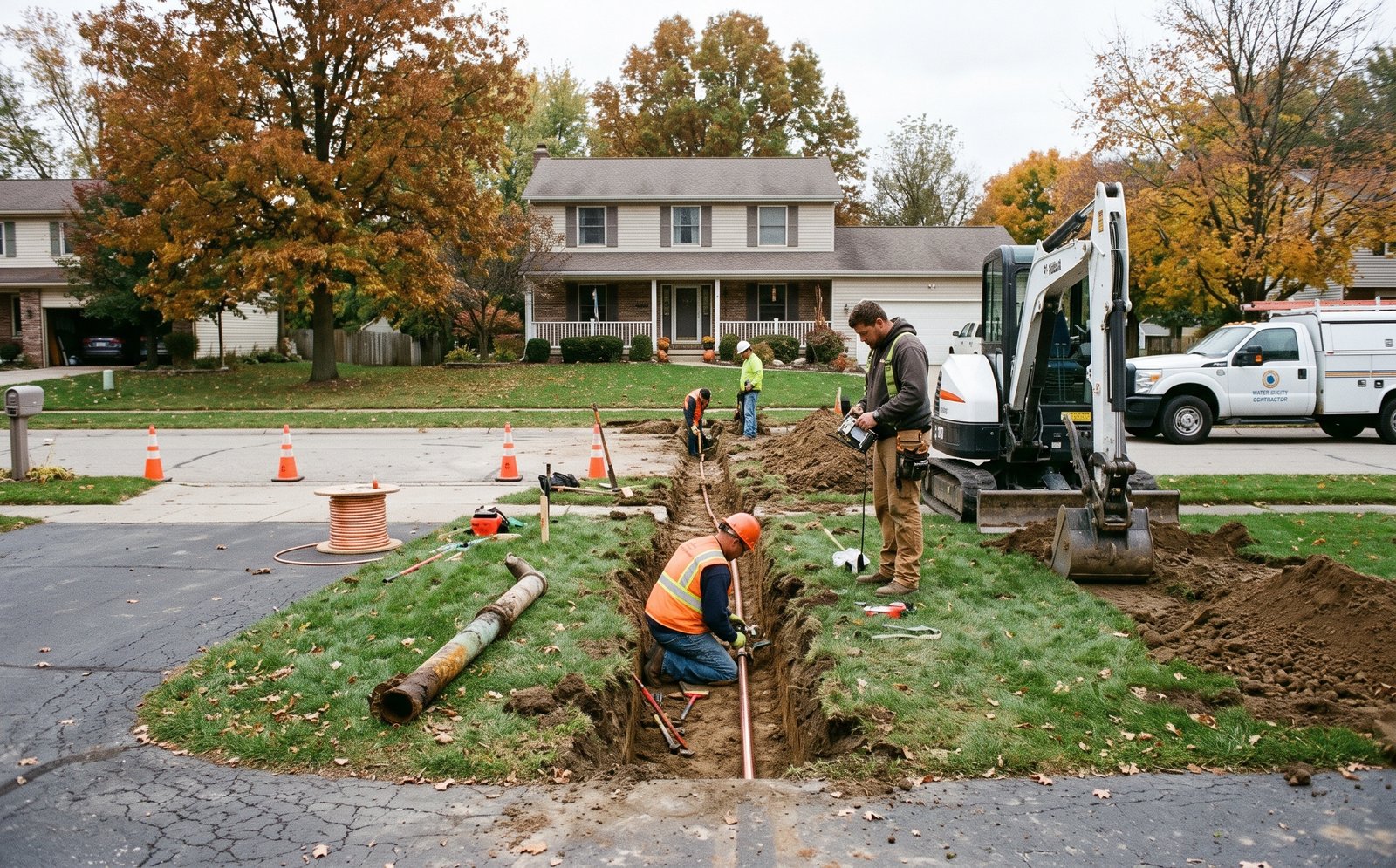
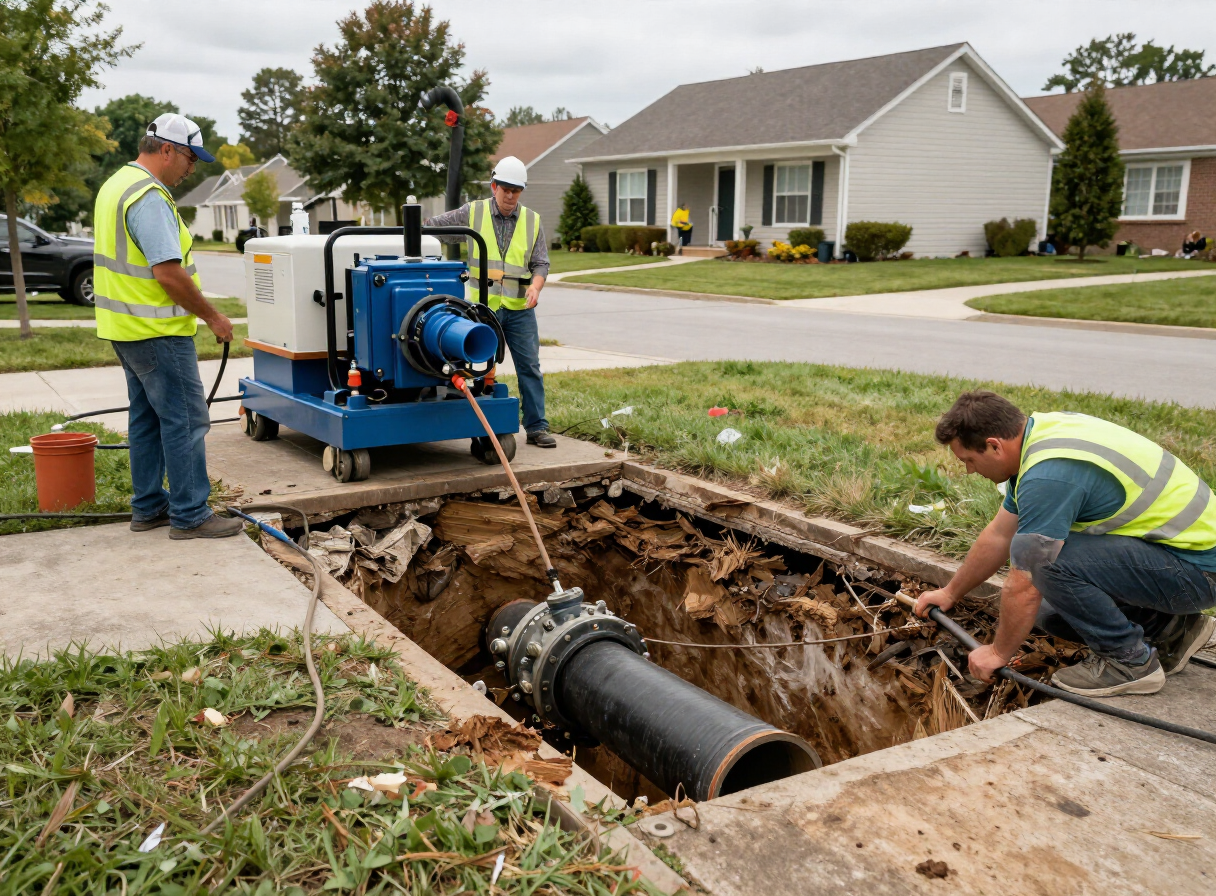
On a quiet Tuesday morning in a midwestern suburb, a crew in orange vests opens a trench across a front lawn, cuts a fifty-year-old lead service line out of the ground, and sweats a new copper line into the meter pit before lunch. It is an unremarkable scene that is about to happen millions of times. The replacement of America’s lead and galvanized water service lines has shifted from a policy debate into a construction schedule, and the pace is accelerating in ways that are reshaping municipal budgets, utility workforces, and the residential plumbing trade all at once. On our News desk, this is the biggest plumbing story of the decade, and it is happening mostly out of sight, under front lawns from Milwaukee to Atlanta.
The driver is a combination of federal money and federal deadlines. The Environmental Protection Agency’s Lead and Copper Rule Improvements require water systems to inventory their service lines and replace lead and galvanized lines on a enforceable timeline, with billions in dedicated funding flowing through state revolving funds to pay for it. Utilities that spent years arguing about whether replacement was necessary are now competing for contractors, materials, and crews. The result is a decade-long construction project that touches an estimated millions of homes — and every one of those replacements ends at somebody’s basement wall, where a licensed plumber has to make the final connection.
What a service line actually is — and why it is split in two
The service line is the pipe that connects the water main under the street to the plumbing inside your house, and in most American municipalities it is legally split in two: the utility-owned portion from the main to the curb stop or property line, and the customer-owned portion from the property line to the meter or the foundation wall. That split is why the lead problem has been so slow to solve. A utility can replace its half and still leave a lead pipe in the ground on the customer’s side, and for decades many utilities did exactly that — partial replacements that, the research now shows, can actually make lead levels worse by disturbing the pipe and shaking loose scale that was holding lead in place.
The modern consensus is full replacement, both halves, in one project, funded so the homeowner does not pay out of pocket. That consensus is what the federal rules now push utilities toward, and it is why the work has suddenly become a coordinated national program rather than a patchwork of local decisions. For homeowners trying to understand what is under their own lawn, the plumbing directory at BestPlumbers.com is a practical starting point — search your city or ZIP, and the local companies listed there can tell you what your municipality’s inventory found and what your options are on the customer-owned side of the line.
The contractor squeeze: who actually does the work
Every utility manager we spoke with for this story described the same bottleneck: not money, not materials, but people. Water utilities do not employ armies of excavation crews, so the replacement work is being bid out to private contractors — municipal infrastructure firms on the utility side of the line, and licensed residential plumbing services companies on the customer side, where the new line has to tie into the home’s interior plumbing. Firms that once fought over kitchen remodels are finding that a steady diet of service line replacements — scheduled, funded, repeatable — is better business than chasing emergency calls, and they are retooling crews accordingly.
That shift is visible in the labor market. Experienced service plumbers are being pulled into replacement programs at premium wages, and companies are hiring apprentices specifically to feed the pipeline. For plumbing business owners weighing whether to chase this work, the candid essay on thriving in the plumbing business at BestPlumbers.com is worth an evening: the companies winning utility subcontracts are the ones that treated it as a strategy decision, not a side gig. Getting listed in a trade-focused directory is part of that strategy — the utilities and general contractors sourcing local partners increasingly start with the plumbing companies that are easy to verify.
What happens on the homeowner’s side of the line
For the homeowner, a service line replacement is a construction project that arrives at your foundation wall. The crew replaces the line to the meter, and then the home’s interior plumbing has to be reconnected — which is where the licensed plumber earns the permit. Old galvanized lines are frequently corroded well past the point of reuse; interior pipe repair and partial repiping are common companions to a service line project, and a good plumber will use the open trench as a diagnostic opportunity: checking pressure, checking the condition of the main shutoff, and checking whether the home’s interior supply lines are copper, PEX, or something the homeowner should plan to replace while the yard is already torn up.
The disruption is real but short. Most residential-side replacements take a single day, and the best crews treat the lawn, the driveway, and the basement finish with the same care they would on a private remodel. Homeowners who want to understand what a fair project looks like before the crew arrives will find the plumbing blog at BestPlumbers.com a useful primer, and the plumbing coupons page is worth checking when the project is planned rather than an emergency — many companies running replacement programs post inspection and repipe offers alongside the utility work.
The lead line coming out of the ground is the story. The connection at the basement wall is the work. Both have to be done right, or the whole project fails the homeowner.
Dana Whitfield, Senior Editor, Infrastructure
Why this matters beyond lead
The replacement program is quietly becoming the largest plumbing inspection in American history. For the first time, millions of homes are having their water service examined, pressure-tested, and documented by professionals — and what those crews are finding is a catalog of deferred maintenance: corroded galvanized interior lines, failing shutoffs, undersized meters, and cross-connections with no backflow protection. Each finding is a smaller job that follows the big one, and the companies positioned to catch that follow-on work are the ones that treat the replacement as the beginning of a relationship with the household, not the end of a contract.
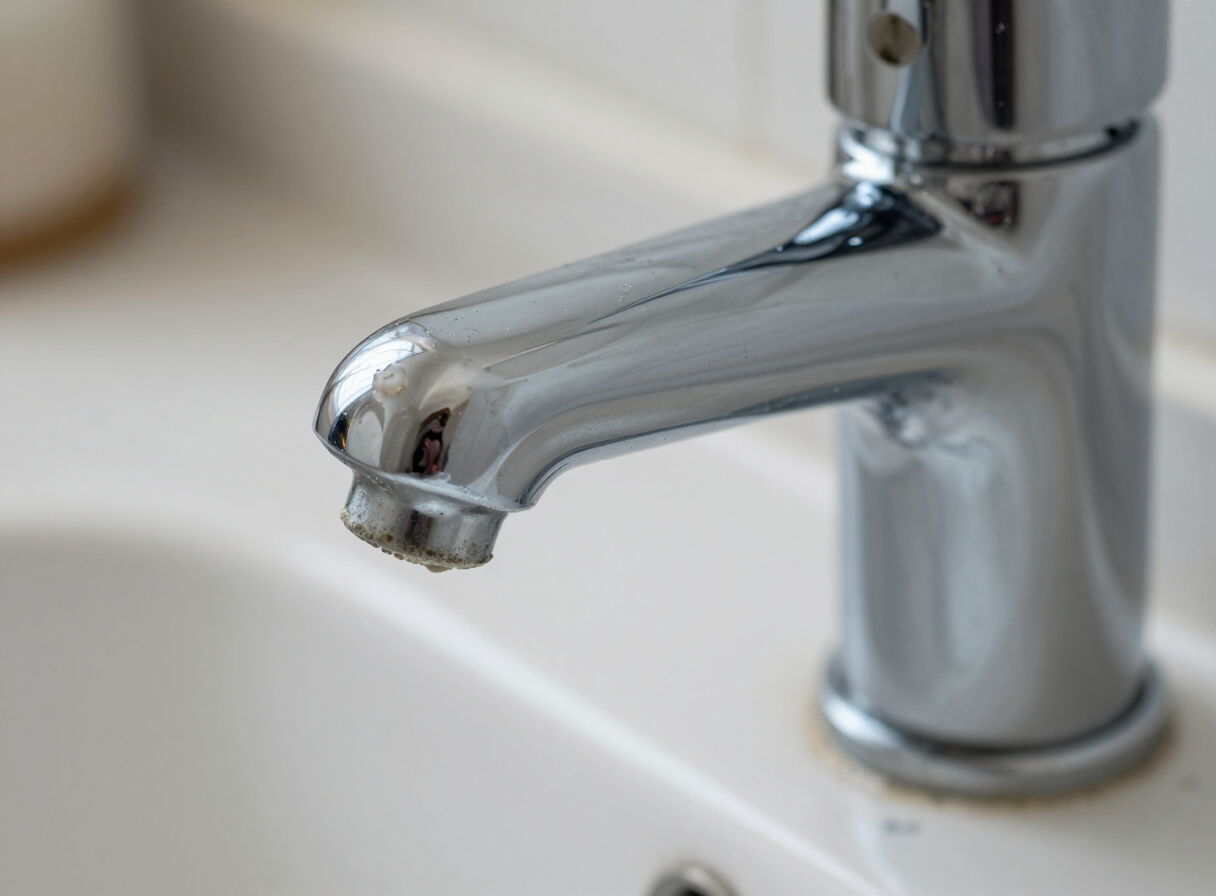
There is also a conservation dimension that gets less attention than the lead story. New service lines, modern meters, and pressure-corrected connections reduce the water lost between the main and the tap — a meaningful slice of the water conservation picture at the municipal scale. And for homeowners using the replacement as a reason to finally upgrade aging fixtures, the bathroom faucets and kitchen plumbing resources at BestPlumbers.com explain what to look for in a replacement that is both efficient and serviceable. The plumbing products directory is the companion reference when the question becomes which manufacturer actually stands behind the fixture going into a freshly repiped wall.
The decade ahead
What comes next is scale. The replacement deadlines stretch across the coming decade, which means the trade is looking at a sustained, funded, national program of water infrastructure work — the kind of runway plumbing businesses rarely get. The companies that will benefit most are the ones investing now: in apprentices, in equipment for directional boring and trenchless service line installation, and in the documentation discipline that utility compliance requires. The homeowners who will benefit most are the ones who engage early — finding out what their utility’s inventory says about their line, and having a licensed plumber they trust ready for the day the crew reaches their street.
Best Plumbers News will follow the program as it moves from rulemaking to reality — the funding fights, the contractor market, the materials supply, and the human stories of the crews doing the work. It is, in the most literal sense, the trade rebuilding the country’s water supply one lawn at a time. For a sense of how long the stakes of that work have been running, our feature on how plumbers have saved more lives than doctors is the historical backdrop: the lead line replacement program is the latest chapter of the same project — clean water, delivered safely, to every tap in the country.
Sources
- U.S. Environmental Protection Agency, Lead and Copper Rule Improvements and service line replacement guidance
- State drinking water revolving fund program documents and allocation announcements
- Best Plumbers News reporting on municipal replacement programs and contractor markets
- BestPlumbers.com plumbing directory and service line resources
Reported for Best Plumbers News. Code, safety and health guidance varies by jurisdiction and changes over time. Confirm requirements with your local authority and a licensed professional.
Sample CMS data. Stories, quotes and figures below are invented for design demonstration.
About the author
Senior Editor, Infrastructure
Dana has covered municipal water systems and public works financing for eleven years, previously for a regional daily in Ohio. She holds a certificate in water resource policy.