Tankless water heaters, honestly: what the sales pitch leaves out and what the math actually says
Endless hot water, lower bills, wall-mounted minimalism — the tankless pitch is seductive and partly true. Here is the honest engineering and economics, from gas venting to cold-water sandwiches, for homeowners and the plumbers who have to advise them.
By Marcus Ojo, Technology Correspondent · · 12 min read
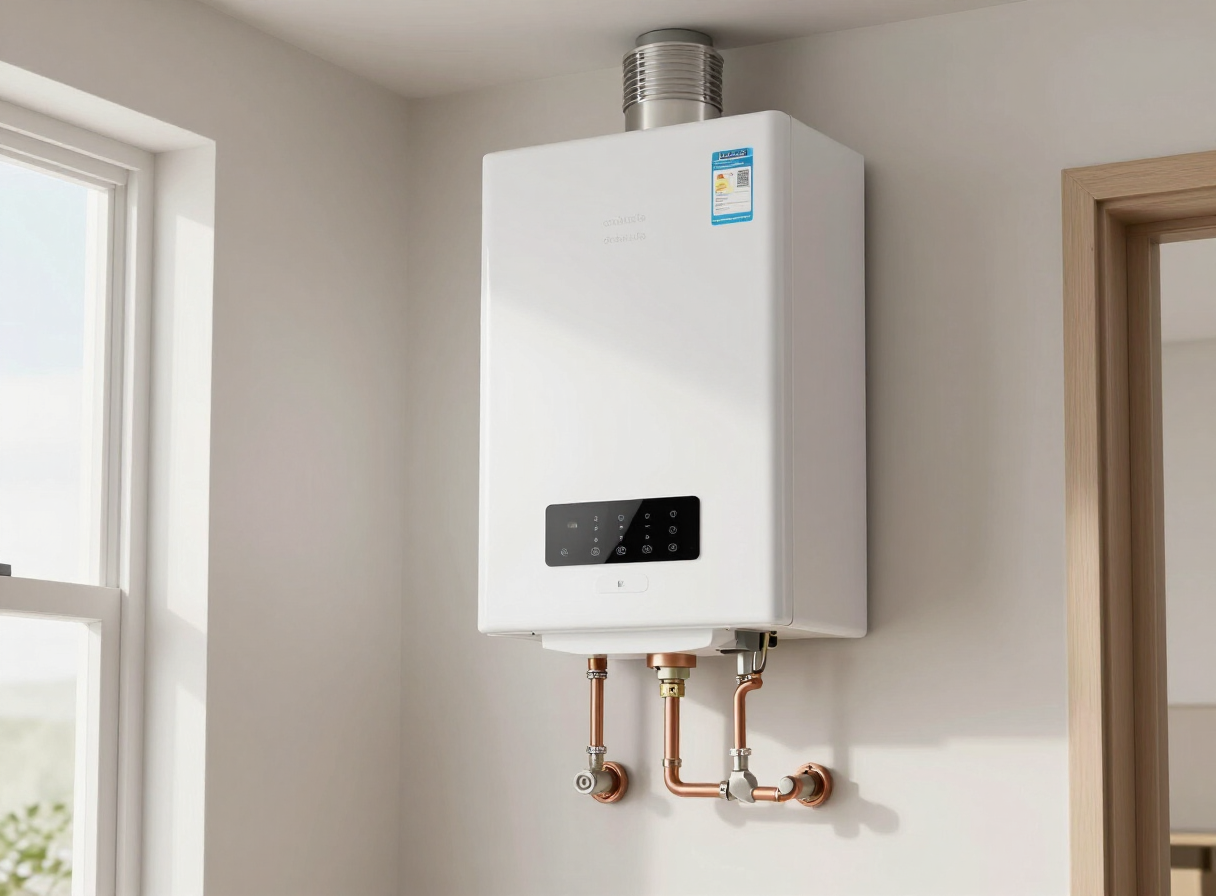
No product in residential plumbing sells itself harder than the tankless water heater. The pitch is always the same three beats: endless hot water, lower energy bills, and a unit that hangs on the wall instead of squatting in the corner. All three can be true. What the brochure leaves out is the engineering underneath — the gas line that has to be upsized, the venting that has to be stainless, the water quality that has to be managed, and the flow math that decides whether your shower in February actually stays hot. On our Technology desk, we have watched the tankless conversation mature from novelty to mainstream, and the honest version of it is more useful than the brochure version.
This guide is written for both sides of the sale: the homeowner trying to decide whether the premium is worth it, and the plumber who has to stand behind the recommendation for a decade. The short answer is that tankless is an excellent technology applied to the right house, the right fuel, and the right water — and an expensive disappointment applied to the wrong ones. The long answer follows.
How a tankless unit actually works
A tank water heater stores forty to eighty gallons of hot water and reheats it as it cools — a strategy that trades standby loss for simplicity. A tankless unit has no storage at all: a powerful burner or electric element heats water the instant it flows through a heat exchanger, which means it can produce hot water continuously, but only up to a rate limited by its power. That single design difference explains almost everything about how the two technologies behave — including why tankless units are rated in gallons per minute at a specific temperature rise rather than in tank capacity, and why the honest question is never “how much hot water does it hold” but “how many gallons per minute can it raise by seventy degrees Fahrenheit right now.”
Groundwater temperature is the hidden variable in that math. The same unit that delivers five gallons per minute of hot shower water in Texas, where groundwater enters the house in the sixties, may deliver barely three in Minnesota, where January groundwater can be in the low forties. A good installer sizes the unit against your coldest realistic inlet temperature, not the annual average — and homeowners comparing options will find the residential plumbing services listings on BestPlumbers.com a direct way to find installers who do that sizing in writing before the quote, not after the complaint.
The installation costs the brochure forgets
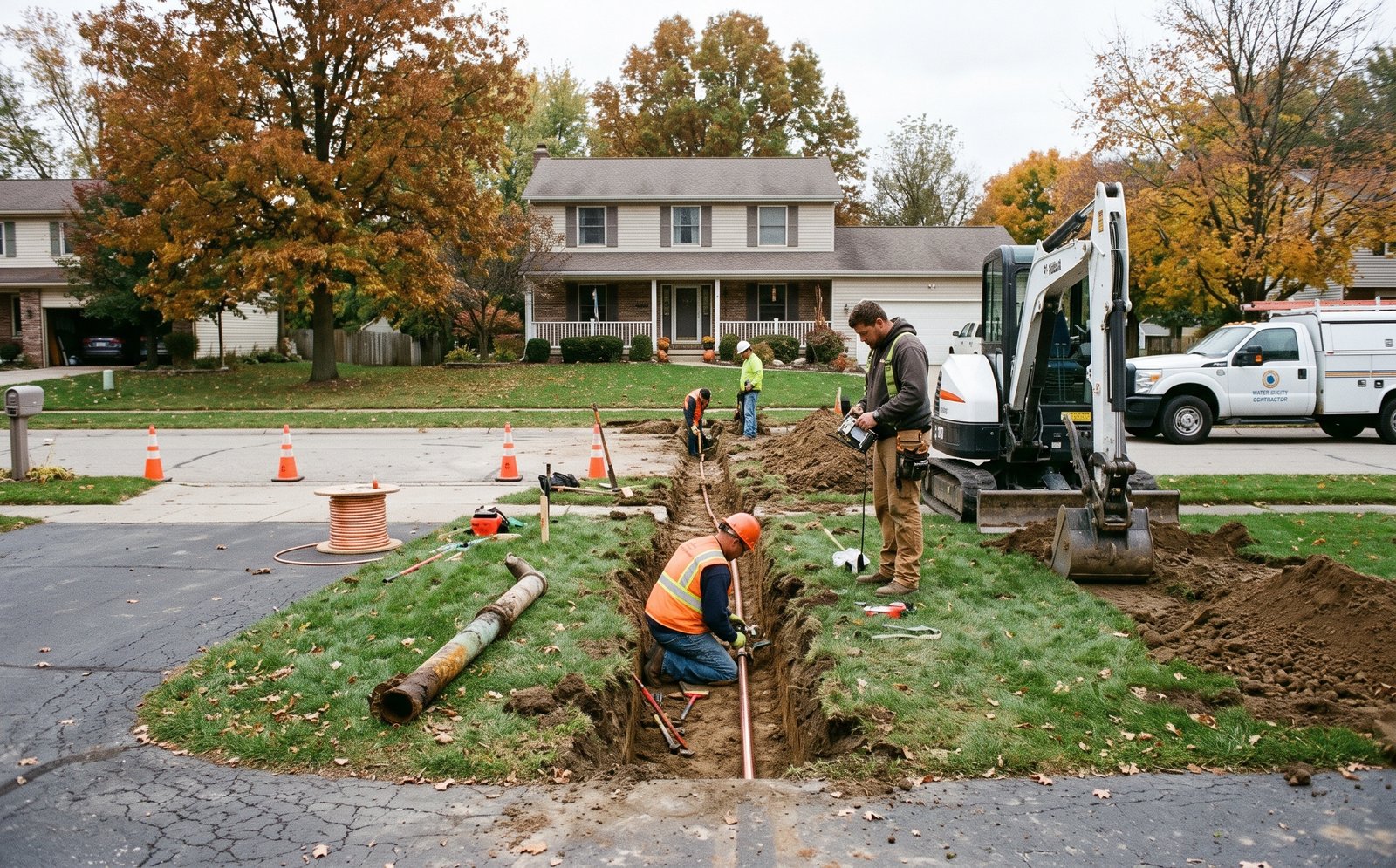
The unit is often the cheapest part of a tankless conversion. A gas tankless heater can demand two to four times the gas volume of a tank unit, which can mean a new dedicated gas line from the meter. The venting is high-temperature condensing exhaust, which means stainless steel vent material, proper condensate drainage, and termination clearances that a legacy tank vent never had to respect. Electric units dodge the venting but hit the electrical panel instead: a whole-house electric tankless can draw more than a hundred amps, which turns a plumbing project into a service upgrade. None of this makes tankless a bad choice. It makes the quote a document worth reading carefully — and the plumbing products directory at BestPlumbers.com a useful reference for checking what a given manufacturer actually requires before you sign for the install.
The plumbers who do this work well are the ones who quote the system, not the box. When you compare installers, ask each one the same three questions: what gas volume does this unit need and what does my line currently deliver; what venting path are you proposing and why; and what is the expected temperature rise at my January groundwater temperature. Companies that answer those in writing are the ones worth hiring — and the plumbing coupons page on BestPlumbers.com is a fair place to compare offers when the project is planned rather than an emergency replacement on a cold Saturday.
The cold-water sandwich and other lived realities
Ask a tankless owner what surprised them and you will hear a phrase the brochures never print: the cold-water sandwich. When a unit has been idle, the heat exchanger is cold; the first seconds of a draw pass through that cold metal before the burner catches up, so a quick hand-wash followed by a shower can deliver a brief slug of cool water mid-stream. Modern units have narrowed the gap considerably, but it is a real behavior of the technology, and the honest way to evaluate it is to try it — the plumbing videos library at BestPlumbers.com includes real-world water heater demonstrations, including the Hot Water Blues walkthrough, that show how installed units actually behave before you commit.
The other lived reality is maintenance. A tankless heat exchanger is a dense coil of small passages, and in hard-water territory those passages scale. Descaling with vinegar or a descaling kit on an annual schedule is the difference between a unit that lasts twenty years and one that fails in seven, and it is maintenance the homeowner can see scheduled or the installer can bundle. Hard water itself is a bigger plumbing story than any single appliance — our feature on hard water and what it quietly costs covers the whole house — and the water conservation resources at BestPlumbers.com add the efficiency half of the picture, since a scaled unit wastes both energy and water while it struggles.
A tankless water heater is not a better tank. It is a different machine with different rules. The installers who understand that are the ones whose customers get the brochure’s promises.
Marcus Ojo, Technology Correspondent
The honest comparison: tank, tankless, heat pump, solar
Tankless is one option in a field of four, and the right choice is house-specific. A standard tank remains the cheapest to install and the most forgiving of mediocre water quality. A heat pump water heater is the efficiency champion in a warm mechanical space and the wrong choice in a cold one. Solar thermal delivers the lowest operating cost where sun and roof cooperate, usually with a tank as backup. Tankless wins where the priorities are continuous supply, space, and longevity — and where the fuel infrastructure cooperates. We compare all four types in detail in our water heater types compared guide, and the plumbing blog at BestPlumbers.com carries manufacturer-agnostic guidance that covers the same decision from the homeowner’s side of the counter.
For the kitchen specifically, the tankless question often arrives disguised as a remodeling question — a wall unit frees floor space that a remodel wants back. If that is the real driver, read the kitchen plumbing and bathroom remodeling resources at BestPlumbers.com before deciding, because the space you reclaim has to be planned around the venting and service clearances the unit still requires. A tankless heater on a remodeled wall is only elegant if you can still service it without opening tile.
Who should buy one, in plain sentences
Buy tankless if your household genuinely overlaps hot-water demand — two showers and a laundry load at once — and your fuel supply supports the unit without heroic upgrades. Buy it if you are doing a renovation that opens the walls anyway, so the venting and gas work ride along with work you were already paying for. Buy it if you plan to stay in the house long enough for the longevity case to matter. Skip it if your demand is small and staggered, if your gas service would need a major upgrade, or if nobody in the house will ever descale a heat exchanger. And whatever you choose, hire an installer who puts the temperature-rise math in the quote. The plumbing directory at BestPlumbers.com lists water heater installers by service area with direct contact information — search your city or ZIP, ask the three questions above, and let the answers, not the brochure, make the decision.
Sources
- Manufacturer installation manuals and sizing guidance for condensing gas and electric tankless water heaters
- U.S. Department of Energy water heater efficiency and standby-loss references
- Best Plumbers News Technology desk reporting on installed tankless performance and maintenance practice
- BestPlumbers.com water heater resources, videos, and installer directory
Reported for Best Plumbers News. Code, safety and health guidance varies by jurisdiction and changes over time. Confirm requirements with your local authority and a licensed professional.
Sample CMS data. Stories, quotes and figures below are invented for design demonstration.
About the author
Technology Correspondent
Marcus reports on sensors, software and automation in the mechanical trades. He spent six years as a controls technician before moving to journalism.