Trenchless sewer repair, explained without the upcharge: what pipe bursting and lining really cost
No digging up the driveway, they say — and sometimes that is true. A field guide to pipe bursting, CIPP lining, and the honest questions that decide whether trenchless saves your yard or just reprices the same job.
By Dana Whitfield, Senior Editor, Infrastructure · · 11 min read
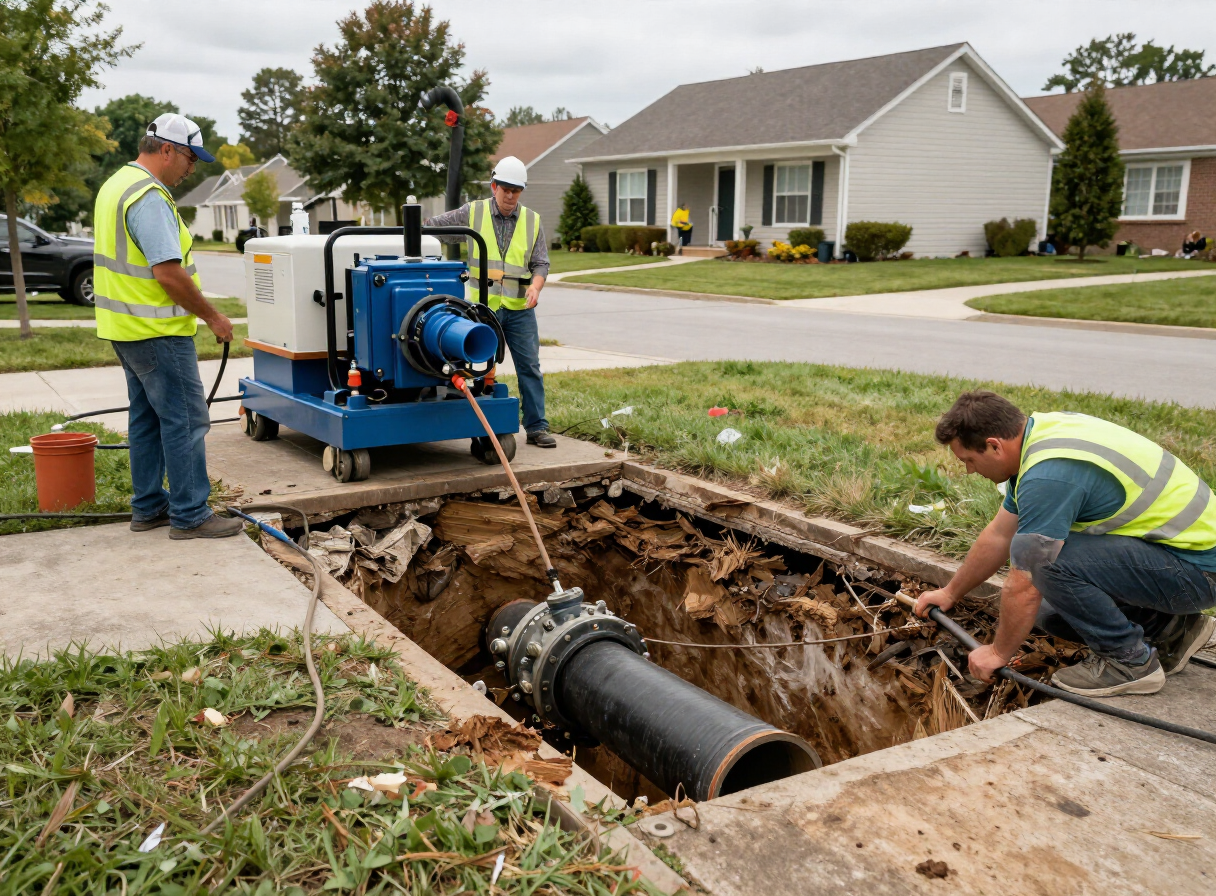
The pitch arrives at the worst possible moment, which is part of why it works. Your sewer line has failed, the camera footage is ugly, and the traditional quote involves a trench across the driveway, the sidewalk, and several thousand dollars of finished landscaping. Then someone says the word “trenchless” — no digging, new pipe inside the old one, done in a day. It sounds like a technology story. It is also a pricing story, and homeowners deserve to understand both halves before they sign anything. On our Technology desk, trenchless rehabilitation is one of the most consequential shifts in residential plumbing of the past two decades, and also one of the most inconsistently sold.
This guide is the plain-language version: what the two main methods actually do, what conditions each one requires, what the work should cost relative to open excavation, and how to tell a fair trenchless quote from a markup wearing a lab coat.
The two methods that matter
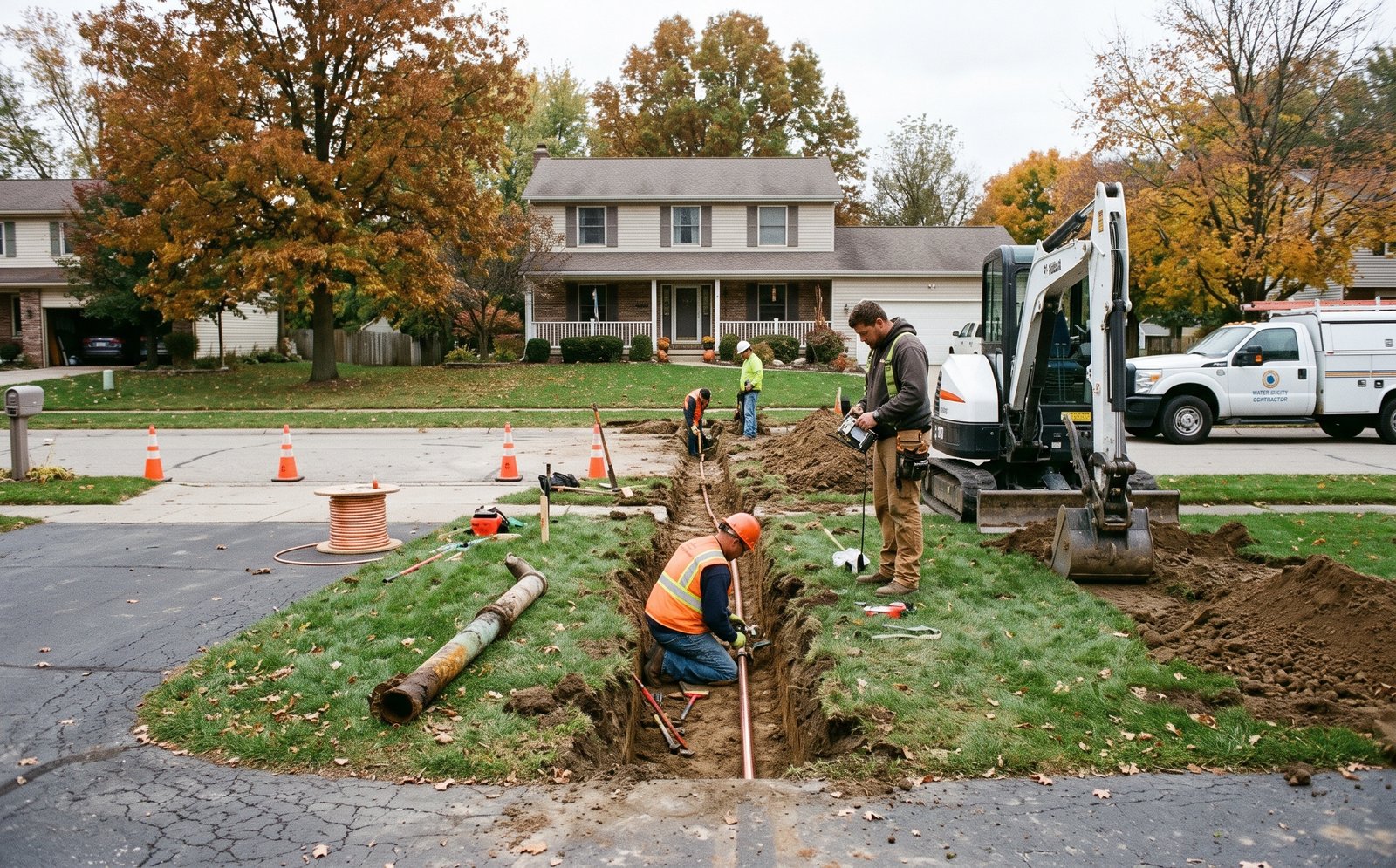
Pipe bursting is replacement: a bursting head is pulled through the old pipe, fracturing it outward while dragging a new high-density polyethylene pipe in behind it. You get a genuinely new sewer line, typically with only an entry pit and an exit pit. It requires the old pipe to be burstable — no severe collapse, no long sections of concrete or steel the head cannot break, and enough clearance around the line for the fragments to go somewhere. Cured-in-place pipe, or CIPP lining, is rehabilitation: a flexible liner saturated with resin is pulled or inverted into the old pipe and cured in place with hot water, steam, or UV light, hardening into a seamless pipe-within-a-pipe. It requires the old pipe to still be a pipe — round enough, intact enough, and dry enough for the liner to bond. Neither method is magic. Each is a tool with a defined set of conditions, and the honest contractor’s first job is establishing which conditions your line actually has.
The technology is genuinely mature — municipal utilities have used both methods on main lines for decades, and the residential versions are well proven. BestPlumbers.com maintains a solid plain-language overview in what are the most innovative technologies in sewer repair today, and the companion essay on when repairs won’t cut it and sewer pipe replacement is the answer covers the decision from the other side — the cases where no lining or bursting will save the line and replacement is simply the honest answer.
The camera inspection is the whole case
Every legitimate trenchless quote begins with a camera inspection of the full line, and the footage is the evidence file for the entire project. What the camera is looking for is specific: bellies where the pipe has sagged and holds water, offsets where joints have separated, root intrusion at lateral connections, and — the dealbreaker for lining — collapsed sections where there is no longer a pipe to line. A contractor who quotes trenchless over the phone, without footage, is not selling technology; they are selling hope. Homeowners should expect to see the video, have the failure points located in feet from the house, and get a written diagnosis that names the method and why. The residential plumbing services listings on BestPlumbers.com include sewer line specialists by service area — search your city or ZIP, and the profiles show which companies list camera inspection and trenchless as core services rather than upsells.
It is also fair to ask who owns the problem. In many municipalities, the homeowner’s responsibility ends at the property line or the main connection, and a failure near the street may be a shared or utility-side issue. A good contractor will locate the failure relative to the property line before quoting, because the same repair can be a private project, a municipal permit conversation, or both. The pipe repair resources at BestPlumbers.com cover this boundary question in practical terms, and the plumbing blog carries field-level guidance on sewer diagnostics that predates and outlasts any single company’s sales pitch.
What it should actually cost
Here is the honest pricing truth that the trenchless pitch often obscures: per foot, trenchless methods usually cost more than open excavation. The savings are not in the pipe work — they are in everything you did not destroy. A driveway replacement, a sidewalk section, mature landscaping, a street permit with traffic control: these are the line items that make open cut catastrophic in finished properties and trivial in a bare side yard. On a lawn you can reseed for a hundred dollars, open excavation may honestly be the cheaper and simpler job. Under a stamped concrete driveway, trenchless can save five figures of collateral damage. The fair quote presents both options with their real totals, and the honest contractor will sometimes tell you the trenchless premium is not worth it on your property.
Be equally skeptical of the reverse markup: the trenchless quote that is simply the open-cut price plus a technology surcharge, with no itemization. A fair quote breaks out the inspection, the access pits or single access point, the footage, the reinstatement, and the permit. When you have two or three itemized quotes in hand, the plumbing coupons page on BestPlumbers.com is a legitimate comparison layer — many sewer specialists publish camera-inspection and descaling offers there, and an inspection discount is the cheapest diagnostic money you will ever spend on your house.
Trenchless is not a premium product. It is a different construction method with a different cost structure. The companies that explain that honestly are the ones that get the second job.
Dana Whitfield, Senior Editor, Infrastructure
The maintenance story after the fix
A rehabilitated sewer line still lives in soil with roots, and the laterals that connect the house to the main are still the failure points they always were. The difference is that a lined or burst line has no joints for roots to exploit in the rehabilitated section, which is why the method genuinely reduces re-intrusion — but the connections at the ends remain maintenance territory. Ask what the warranty covers, in years and in feet, and ask what the recommended inspection interval is afterward. A company confident in its liner will happily put both in writing. For the ongoing drain-maintenance side of the picture, the BestPlumbers.com essay on hydro jetting versus traditional methods for stubborn clogs is the practical companion read — jetting and descaling are frequently the preparation step that makes lining possible at all.
The last honest note is about water. Sewer rehabilitation is the dirty half of a system whose clean half is under the same yard, and the same access pits that fix the drain line are a cheap opportunity to inspect the supply — something our reporting on lead service line replacement is making newly relevant in neighborhoods across the country. If the yard is already open, ask what the crew can see. The water conservation resources at BestPlumbers.com cover the supply-side habits that pair well with a rehabilitated drain, and the plumbing products directory is the reference when the inspection turns up fixtures worth replacing while the trenching equipment is still parked in your driveway.
How to hire for it, in five sentences
Require the camera footage before any quote, and watch it with the contractor. Ask which method fits your specific failure and why the other one does not. Ask for both the trenchless and open-cut totals, itemized, including surface restoration. Get the warranty in years and feet, in writing. Then search the plumbing directory at BestPlumbers.com by your city or ZIP, compare the sewer specialists’ profiles and reviews side by side, and call the companies whose reviews describe a job that sounds like yours — not the ones whose ads found you first. Trenchless technology is real, mature, and often the best decision a homeowner will make about their property. It deserves to be bought the way real decisions get made: with evidence, itemization, and a contractor who was willing to say no.
Sources
- NASSCO guidance on CIPP lining and pipe bursting practice
- Municipal trenchless rehabilitation program documentation and case studies
- Best Plumbers News Technology desk reporting on residential trenchless pricing and practice
- BestPlumbers.com sewer repair technology and hydro jetting guides
Reported for Best Plumbers News. Code, safety and health guidance varies by jurisdiction and changes over time. Confirm requirements with your local authority and a licensed professional.
Sample CMS data. Stories, quotes and figures below are invented for design demonstration.
About the author
Senior Editor, Infrastructure
Dana has covered municipal water systems and public works financing for eleven years, previously for a regional daily in Ohio. She holds a certificate in water resource policy.