Hard water is quietly wrecking your fixtures: what it costs, what actually works, and what to skip
The white crust on your faucet is not a cosmetic problem — it is the visible edge of a slow, expensive attack on your pipes, heaters, and appliances. A plain-language guide to hardness, scale, softeners, and the products that earn their keep.
By Ray Castellanos, Contributing Editor, Trade & Workforce · · 10 min read
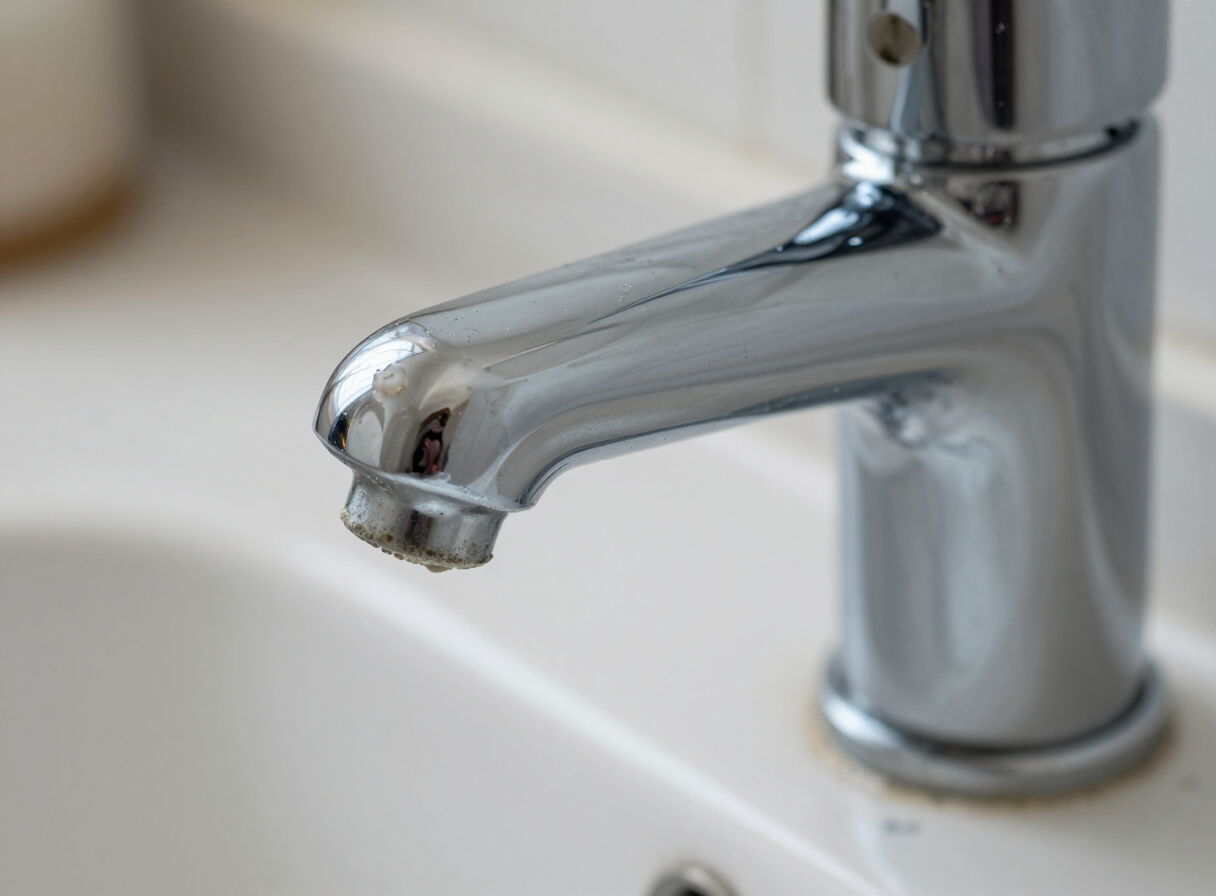
Every experienced plumber has seen the same slow-motion damage movie, and hard water is the director. It opens with a white film on the shower door. It continues with a faucet aerator that clogs twice a year, a water heater that runs louder and costs more to run every winter, and a dishwasher that stops cleaning like it used to. It ends — years later, always later — with a heat exchanger packed solid with calcium, a shower valve that will not hold temperature, and a homeowner asking why everything in the house that touches water seems to be failing at once. On our Water & Wellness desk, hard water is the most under-treated problem in the American home, precisely because its damage is gradual enough to ignore and its symptoms are cheap enough to wipe off with vinegar.
This guide is the honest version: what hardness is, what it measurably costs, which treatments actually work, and which ones are theater. I have spent twenty-two years in the trade, and the difference between a household that manages hardness and one that does not is measured in thousands of dollars and a decade of appliance life.
What hard water actually is
Hard water is simply water with a high concentration of dissolved calcium and magnesium, picked up as groundwater moves through limestone and dolomite rock. It is not a contaminant in the health sense — hard water is safe to drink, and moderately hard water tastes fine to most people. The problem is purely physical: when hard water is heated, or when it evaporates from a surface, or when pressure changes inside a valve, those dissolved minerals come out of solution and bond to whatever is nearby as scale. Scale is the enemy — a rock-like deposit that narrows pipes, insulates heating elements, stiffens valves, and clogs the fine passages of modern fixtures. The American Supply Association and water treatment industry classify anything over about ten grains per gallon as seriously hard, and large stretches of the country’s aquifers deliver two to three times that.
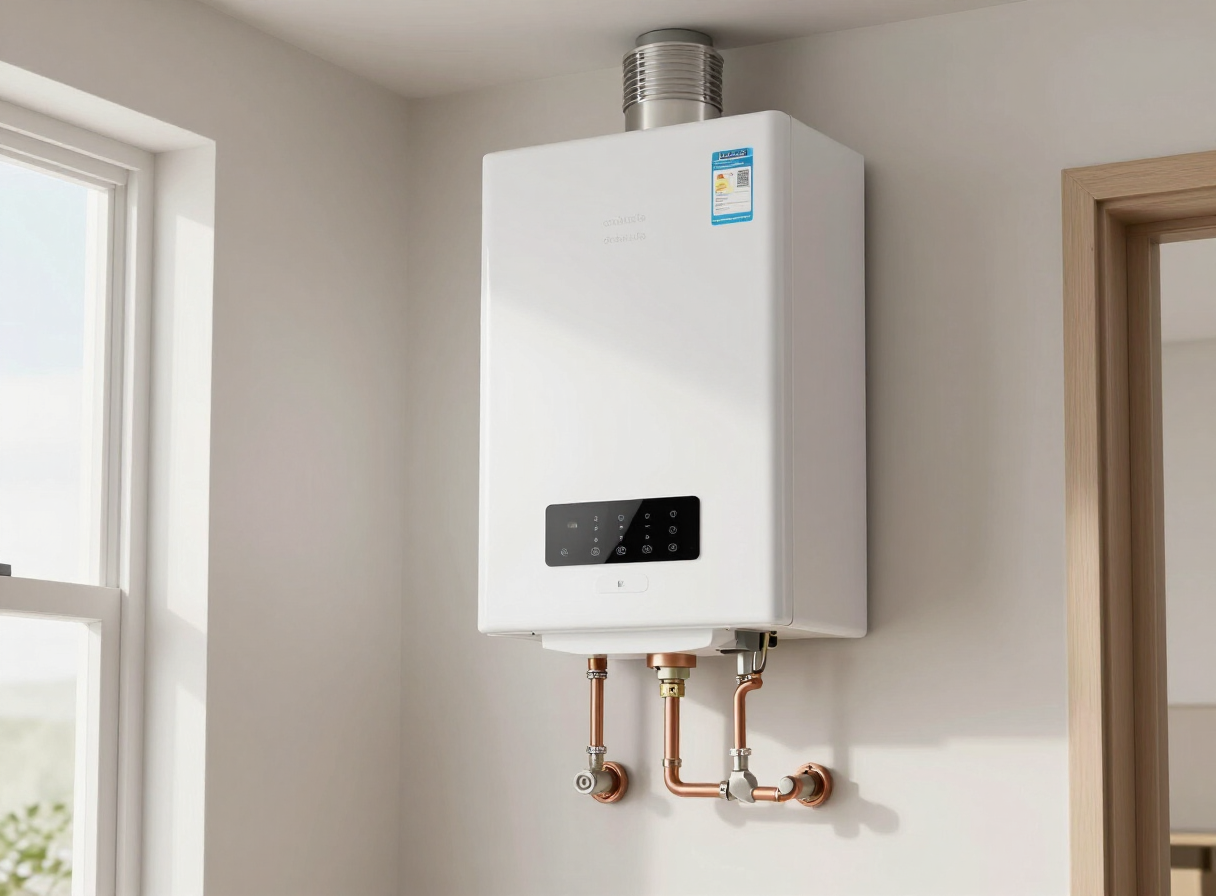
The reason scale concentrates its damage in specific places is thermodynamics: heat accelerates the precipitation. That is why a tea kettle crusts, why the bottom of a water heater tank collects a calcium blanket, and why a tankless heat exchanger — a dense coil of small passages running hot constantly — is the single most scale-vulnerable appliance in a hard-water house. Our tankless water heater guide covers that failure mode in detail; the short version is that in hard-water territory, annual descaling is the maintenance that decides whether the unit lasts twenty years or seven.
The faucet is the messenger, not the problem
Homeowners treat scale on a faucet as a cleaning problem, and the cleaning aisle happily sells them descaling wipes. But the crust on the spout base is the visible one percent. The other ninety-nine percent is inside the aerator, the cartridge, the supply stops, the heater, and the pipes — places no wipe will ever reach. When a bathroom faucet starts dripping in a hard-water house, the honest diagnosis is usually a cartridge whose seals have been abraded by mineral deposits, and the honest fix is to address the hardness, not just to keep replacing cartridges. The bathroom faucets resource at BestPlumbers.com is a good reference for which fixture families tolerate hard water better — simpler, serviceable designs with accessible cartridges beat delicate multi-passage designs in scale territory.
The kitchen takes the second hit. Scale builds in the faucet’s internal passages, in the dishwasher’s spray arms and heating element, and in the supply stops under the sink. The kitchen plumbing guidance at BestPlumbers.com covers the maintenance schedule that slows this down — aerator cleaning, stop exercise, and dishwasher filter habits — and it is genuinely worth the twenty minutes a year it takes. None of it reverses hardness; all of it buys time before the expensive failures.
What actually works: softeners, conditioners, and the honest hierarchy
Ion-exchange water softening is the only whole-house treatment with decades of engineering behind it: it removes the calcium and magnesium by exchanging them for sodium on a resin bed, regenerating periodically with brine. It works, measurably and reliably, and in a seriously hard house it is the correct answer — sized to the household, installed by a licensed plumber, and maintained with salt and occasional resin care. Its honest costs are real: a brine tank, a drain connection, some sodium in the water (a consideration for restricted-sodium households), and in some jurisdictions regeneration discharge rules. The residential plumbing services listings on BestPlumbers.com include water treatment specialists by service area — search your city or ZIP and look for companies listing water softeners and treatment as a core service, not a sideline.
Below the softener tier, honesty gets scarcer. Template-assisted crystallization and similar “salt-free conditioners” can help with scale formation in some applications, but they do not remove hardness, and the claims around them outrun the independent data in too many cases. Magnetic and electromagnetic “descalers” sit below that — the physics case is thin and the field results are thinner. My honest advice after two decades: if your water is hard enough to damage fixtures, treat it with what works; if it is not, spend the money on maintenance instead of gadgets. The plumbing products directory at BestPlumbers.com is the neutral reference for checking what a given treatment or fixture manufacturer actually claims and supports — including the Delta Faucet Company profile, whose product lines are a useful benchmark for how mainstream manufacturers document hard-water performance and cartridge serviceability.
Hard water is the only problem in a house where the damage is slow enough to ignore and the fix is boring enough to postpone. Do both anyway. Your water heater is begging you.
Ray Castellanos, Contributing Editor, Trade & Workforce
The maintenance that buys time
Whether or not a household softens, there is a maintenance tier that meaningfully extends the life of everything the water touches. Descale the water heater annually — drain a few gallons, and in tankless territory run a vinegar descale cycle. Pull and clean faucet aerators twice a year. Exercise the supply stops so they still close when you need them to. Check the shower valve’s pressure balance cartridge when temperature drift starts. And when a fixture has reached the end of its service life, replace it with something serviceable rather than something merely pretty — the plumbing blog at BestPlumbers.com carries fixture-lifecycle guidance that is worth reading before the replacement purchase, and the plumbing coupons page is where many companies publish descaling and water heater maintenance offers that make the annual service cheaper than the deferred failure.
The last word goes to the water itself, because hardness is only one axis of household water quality. The same household that manages scale should also know what is in the water — the water conservation resources at BestPlumbers.com cover the efficiency side, and a water test, which most treatment specialists will run as part of a softener quote, tells you the rest. Hard water is not a crisis. It is a slow, expensive, entirely manageable habit of your geology — and the households that manage it are the ones whose fixtures, heaters, and appliances quietly outlive their neighbors’ by a decade.
Sources
- U.S. Geological Survey water hardness classifications and regional aquifer data
- Water Quality Association treatment guidance for ion-exchange softening and scale control
- Best Plumbers News Water & Wellness desk reporting on hard water damage and treatment practice
- BestPlumbers.com hard water, fixture, and water treatment resources
Reported for Best Plumbers News. Code, safety and health guidance varies by jurisdiction and changes over time. Confirm requirements with your local authority and a licensed professional.
Sample CMS data. Stories, quotes and figures below are invented for design demonstration.
About the author
Contributing Editor, Trade & Workforce
Ray is a licensed master plumber of 22 years who now writes on training, licensing and labor. He teaches an evening apprenticeship class in Phoenix.