The plumber shortage is a training problem: why America is running out of the people who keep the water on
Half a million plumbers are nearing retirement, apprenticeship pipelines are thin, and the work that protects public health is going unfilled. A field report on the labor gap reshaping the trade — and the apprentices who are closing it.
By Ray Castellanos, Contributing Editor, Trade & Workforce · · 11 min read

There is a labor shortage quietly reshaping American plumbing, and it is not the kind that shows up in a single headline. It shows up in the three-week wait for a water heater replacement, in the rising price of an emergency call, in the master plumber who cannot find a journeyman to send to the second job, and in the demographic cliff the trade has been walking toward for a decade. Roughly half a million plumbers, pipefitters, and steamfitters work in the United States, and a large share of them are nearing retirement age in a trade whose apprenticeship pipeline has not kept pace. On our Careers desk, this is the most consequential story in the trade, because every other story — the lead line replacements, the leak detection, the remodeling work — depends on having enough trained people to do it.
This is a field report from inside the gap: why the shortage exists, what it costs homeowners and the trade, and what the apprentices and employers closing it are actually doing. I teach an evening apprenticeship class in Phoenix, and the view from the classroom is clearer than the view from the policy papers.
Why the shortage exists
The causes are structural and familiar to anyone who has watched the skilled trades for a generation. The retiring cohort is large — the plumbers who built their careers in the building booms of the late twentieth century are aging out, and their departures are outpacing the entries replacing them. The cultural pipeline is thin — for decades, American secondary education treated a four-year degree as the default path and the skilled trades as the alternative, which starved the apprenticeship system of the young people who would have entered it. The training infrastructure is uneven — community college and union apprenticeship programs exist and are excellent where they are available, but capacity is regional and the waitlists in some markets are long. And the work itself is hard to recruit for against the perceived comfort of desk work, even though the economics of the trade tell a different story. The U.S. Bureau of Labor Statistics projects plumbing employment to grow about as fast as the average occupation through the next decade, and the median wage is competitive with many professions that required far more debt to enter.
The honest reframing — that plumbing is a well-paid, debt-free, life-saving career — is the case the trade has historically been terrible at making for itself. The candid essay on thriving in the plumbing business at BestPlumbers.com makes the case from the owner’s side, and the plumbing blog more broadly is one of the few trade-focused publications consistently arguing that the skilled trades deserve the recruitment respect usually reserved for white-collar paths. The shortage is, in part, a marketing failure the trade is only now correcting.
What the shortage costs
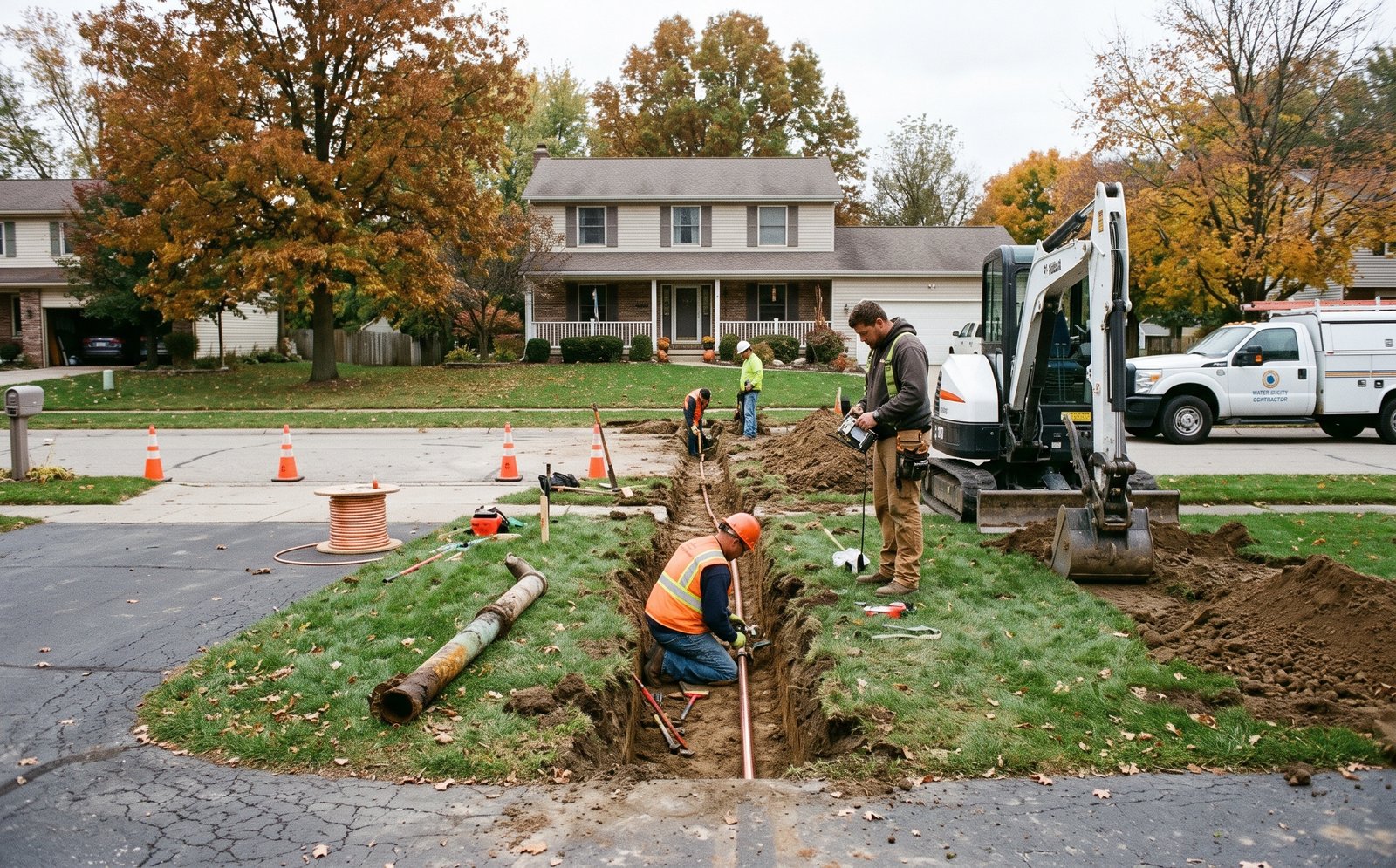
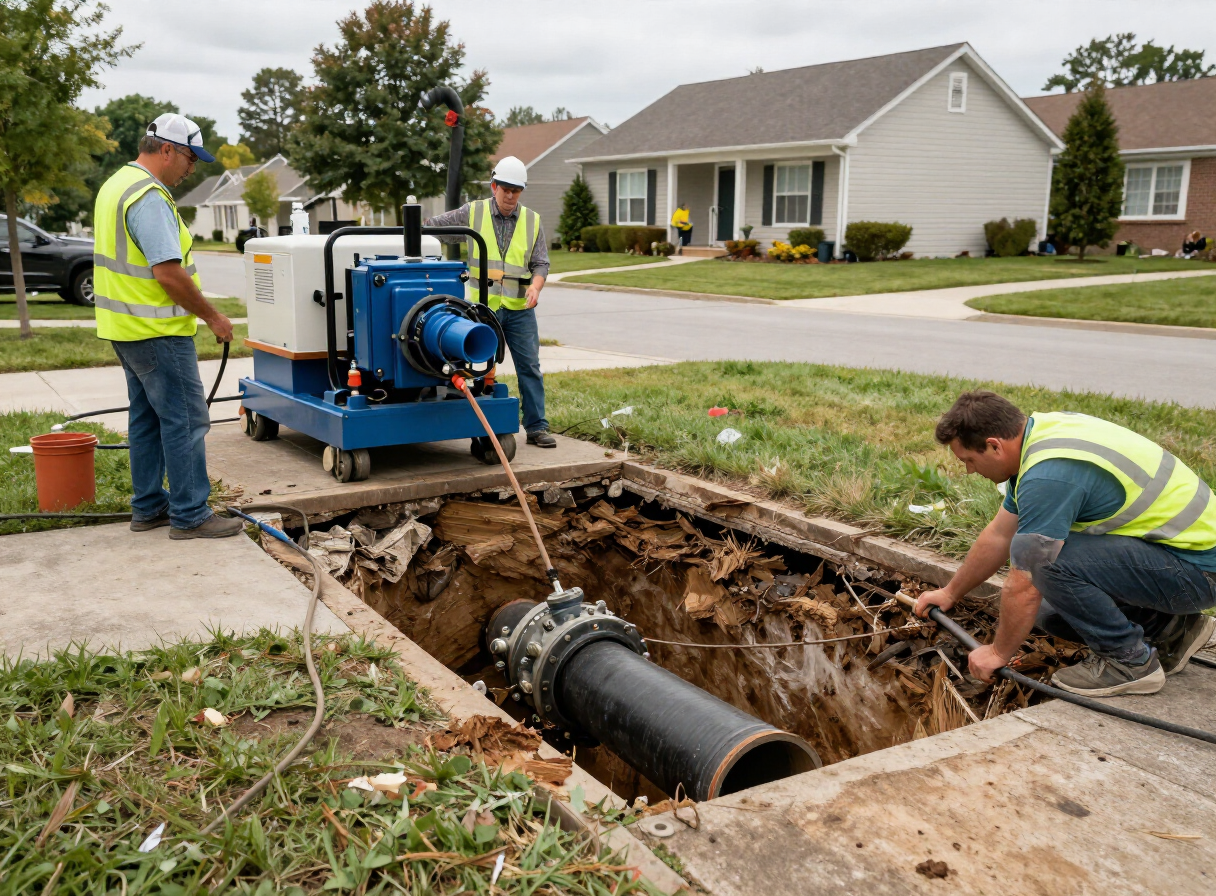
The cost of the shortage is not abstract. For homeowners, it shows up as longer waits for non-emergency work and higher prices for the work that gets done — a supply-and-demand reality that no amount of marketing can paper over when the crew simply is not there. For the trade, it shows up as overtime burnout, as companies turning down work they cannot staff, and as the quiet risk that quality slips when demand outpaces the experienced workforce available to meet it. For public health, it shows up in the projects that depend on skilled labor — the lead service line replacements, the backflow testing, the sewer rehabilitation — that move at the speed the available workforce allows. Our reporting on the lead service line replacement program is, in part, a labor story: the federal money is there, and the question is whether the trained people are.
There is also a quality dimension the trade takes seriously. A shortage that is filled by unlicensed or undertrained labor is not a solution; it is a deferred failure. The licensing system exists precisely because the work protects health and property, and the companies that hold the line on training — even when it costs them speed — are the ones whose work still holds a decade later. The residential plumbing services listings on BestPlumbers.com are organized so homeowners can verify they are hiring licensed, trained companies rather than whoever answered the lead form — search your city or ZIP and read the profiles for license, service area, and the reviews that describe work that lasted.
The apprentices closing the gap
The encouraging half of the story is the apprentices who are entering the trade, and they are not the stereotype the culture still carries. They are career-changers leaving desk jobs that underpaid and underwhelmed them. They are young people who ran the math on a four-year degree against a paid apprenticeship and chose the apprenticeship. They are women and veterans entering a trade that is, slowly, widening its doors. They are the students in my evening class who show up after a full workday because the path is real and the work matters. The apprenticeship model — earn while you learn, classroom hours paired with on-the-job training, a journeyman’s license at the end — remains one of the best debt-free career structures in the American economy, and the companies that invest in apprentices are the ones that will own their markets in a decade.
For employers, the apprenticeship investment is the strategic decision that separates the companies that last from the ones that fade. The companies winning the labor market are the ones that pay apprentices competitively, structure their on-the-job learning deliberately, and treat the apprenticeship as a multi-year retention strategy rather than cheap labor. Our reporting on apprenticeship pay as the recruiting story covers the compensation half of that argument, and getting listed in a trade-focused directory is part of the visibility half — the apprentices entering the trade search for employers the same way homeowners search for plumbers, and the companies that are easy to find and verify are the ones that attract the next cohort.
The plumber shortage is not a mystery. It is a training pipeline we let thin for a generation. The apprentices in my evening class are the fix — and there should be ten of them for every one.
Ray Castellanos, Contributing Editor, Trade & Workforce
What would actually close the gap
The honest policy answers are not exotic. Expand apprenticeship capacity — both union and community college programs — so a motivated applicant in any region can find a seat without a multi-year wait. Treat the skilled trades as a first-choice path in secondary education, with the same counseling respect given to college-bound students. Protect the licensing system that makes the work trustworthy, rather than diluting it to fill the gap with undertrained labor. And pay apprentices and journeymen at rates that reflect both the skill the work requires and the public-health importance of doing it right. The plumbing products directory at BestPlumbers.com, including profiles like the Delta Faucet Company page, is a reminder that the trade is also an industry with manufacturers, suppliers, and technical careers beyond the field — the labor gap is wider than the wrench.
For the homeowner reading this, the practical takeaway is to value the licensed plumber you can reach — and to support the conditions that produce the next one. Hire licensed companies, pay fairly for skilled work, and recommend the firms that do good work to the neighbors who will need them next. The plumbing coupons page on BestPlumbers.com and the plumbing videos library, including the Avoid Costly Plumbing Mistakes guide, are the homeowner-side resources that pair with a well-served trade. The plumber shortage is a training problem, and training problems are solvable — one apprentice, one evening class, one licensed journeyman at a time. The water that sustains every household depends on the people who keep it moving, and the next decade of the trade depends on whether enough of them are trained to do it.
Sources
- U.S. Bureau of Labor Statistics Occupational Outlook Handbook: Plumbers, Pipefitters, and Steamfitters
- State apprenticeship council and union training program documentation
- Best Plumbers News Careers desk reporting on workforce demographics and apprenticeship practice
- BestPlumbers.com plumbing careers, business, and training resources
Reported for Best Plumbers News. Code, safety and health guidance varies by jurisdiction and changes over time. Confirm requirements with your local authority and a licensed professional.
Sample CMS data. Stories, quotes and figures below are invented for design demonstration.
About the author
Contributing Editor, Trade & Workforce
Ray is a licensed master plumber of 22 years who now writes on training, licensing and labor. He teaches an evening apprenticeship class in Phoenix.