Tank, tankless, heat pump, or solar: how to choose a water heater without the upsell
It is the appliance every household owns and almost nobody understands until it fails. A plain-language comparison of the four water heater families — what each one costs to buy, run, and live with, and which house each one actually suits.
By Ray Castellanos, Contributing Editor, Trade & Workforce · · 12 min read
Nobody shops for a water heater on a good day. The purchase almost always begins with a cold shower and ends with a homeowner standing in a home-improvement aisle trying to compare four technologies they have never thought about, on a timeline that does not allow thinking. That is how households end up with the wrong heater for the next twelve years — chosen in panic, installed fast, and lived with until the next failure. On our Plumbing Facts desk, the water heater is the single appliance where a little advance knowledge saves the most money, and the comparison is not nearly as complicated as the buying moment makes it feel.
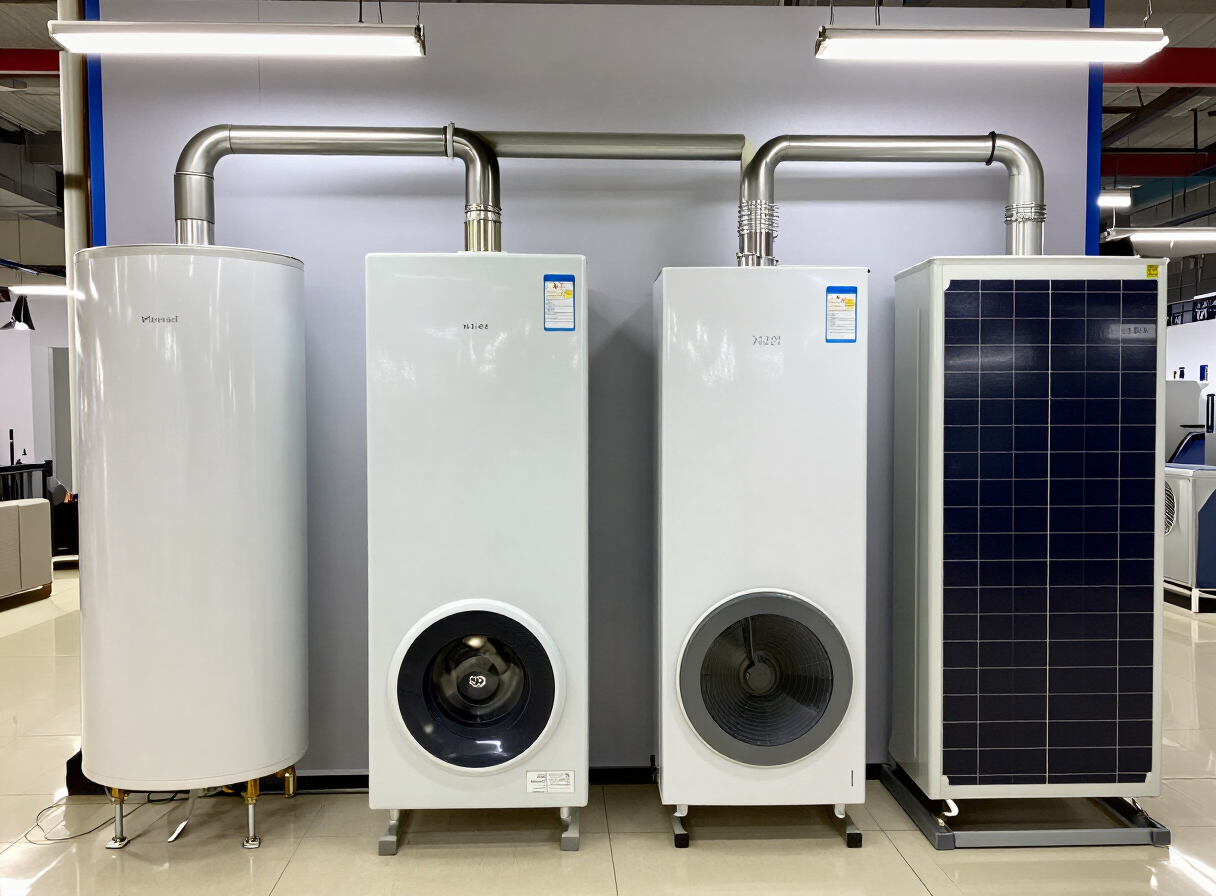
This guide compares the four water heater families on the same axes — what they cost to buy, what they cost to run, what kind of house they suit, and what their honest weaknesses are — so the decision can be made before the cold shower forces it. The companion deep dive on tankless specifically, our tankless water heater honest guide, covers that technology in full; this is the wider field.
The storage tank: the default for a reason
The conventional storage tank water heater is the technology almost every American home still uses, and it is the default for good reasons: it is the cheapest to buy, the simplest to install, the most forgiving of mediocre water quality, and the easiest for any licensed plumber to service. It stores forty to eighty gallons of hot water, kept at temperature by a gas burner or electric element, and it delivers a large volume quickly until the tank is drawn down. Its honest weakness is standby loss — the energy spent keeping a tank of water hot while nobody is using it — and the finite supply that ends a long shower in a busy household. For a household with staggered demand, a modest budget, and a mechanical space that does not need to be reclaimed, the tank remains the rational default.
The tank also ages predictably, and the failure mode is the one homeowners fear: a tank that leaks. A sacrificial anode rod slows internal corrosion, and replacing that rod on schedule is the single maintenance act that extends tank life most — a service any plumber can perform in a single visit. The residential plumbing services listings on BestPlumbers.com include water heater specialists by service area, and the plumbing coupons page frequently carries anode replacement and flush offers that make the maintenance cheaper than the deferred failure. Search your city or ZIP, and look for companies that list water heater maintenance as a service rather than only replacement.
Tankless: continuous supply, conditional savings
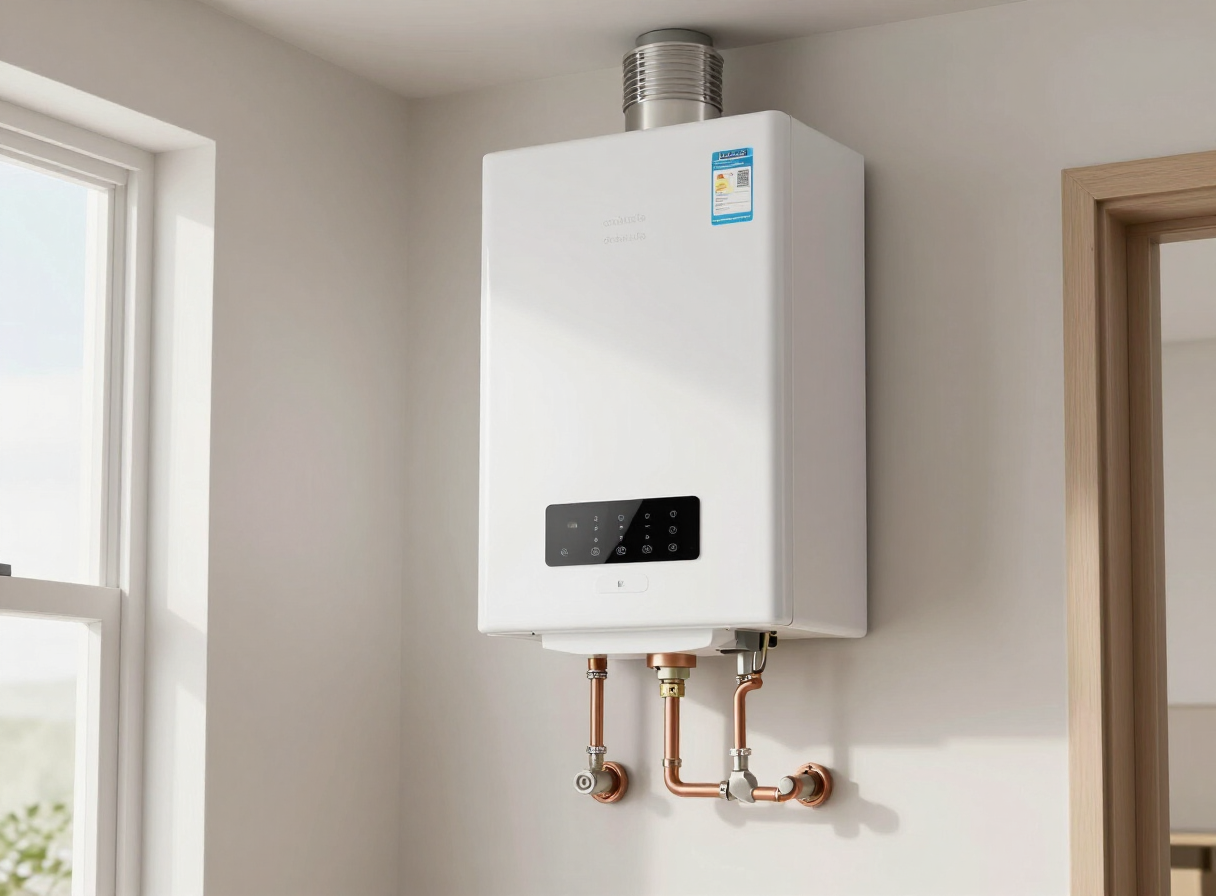
The tankless water heater trades storage for power: it heats water on demand through a high-output heat exchanger, delivering a continuous supply limited only by its flow rate at a given temperature rise. The appeal is obvious — endless hot water, no standby loss, a unit that hangs on the wall. The honest costs are the gas line that may need upsizing, the stainless venting the condensing unit requires, the annual descaling that hard water demands, and the flow math that has to be sized against your coldest groundwater. For a household where demand genuinely overlaps — two showers and a load of laundry at once — and the fuel infrastructure cooperates, tankless is an excellent technology. For a small household with staggered demand and a gas service that would need a major upgrade, it is an expensive answer to a question the tank already solved. The full decision framework is in our tankless guide, and the plumbing products directory at BestPlumbers.com is the neutral reference for checking what each manufacturer actually requires before you commit.
The lived reality of tankless — the cold-water sandwich, the maintenance discipline, the sizing math — is worth understanding before purchase, and the plumbing videos library at BestPlumbers.com, including the Hot Water Blues walkthrough, shows how installed units actually behave. The honest summary: tankless is a different machine with different rules, and it rewards households that learn the rules.
Heat pump: the efficiency champion with a climate
A heat pump water heater moves heat from the surrounding air into the tank rather than generating it directly, which is why it can deliver two to four times the efficiency of a standard electric tank. The trade-off is that it needs warm air to draw from, recovers slowly, and cools and dehumidifies the space it sits in — a benefit in a hot garage, a liability in a cold basement. In a warm climate with a finished mechanical space, a heat pump water heater is often the lowest-operating-cost option available to a household, and the technology has matured rapidly. In a cold climate or an unheated space, the efficiency case weakens and the recovery time becomes a comfort problem. The honest question is not whether heat pump water heaters work — they do — but whether your house’s thermal situation lets them work well.
Because heat pump units are taller, heavier, and air-flow sensitive, the installation is less forgiving than a like-for-like tank swap, and the kitchen plumbing and mechanical-space considerations in a remodel are worth planning around. The plumbing blog at BestPlumbers.com carries manufacturer-agnostic guidance on heat pump water heater siting and sizing that is worth reading before the purchase, and a contractor who quotes a heat pump unit should be able to explain the recovery time and the space-temperature effect in plain sentences.
The right water heater is not the most efficient one. It is the one matched to your fuel, your climate, your demand, and the maintenance your household will actually do. Everything else is a brochure.
Ray Castellanos, Contributing Editor, Trade & Workforce
Solar thermal and the long-horizon house
Solar water heating uses rooftop collectors to capture the sun’s heat and transfer it to a storage tank, usually with a conventional backup for cloudy stretches and high demand. It delivers the lowest operating cost of any option where sun and roof cooperate, and in sunny regions with long ownership horizons it can pay back its higher upfront cost honestly. Its weaknesses are real: higher upfront cost, freeze protection in cold climates, and the complexity of a system with pumps, controllers, and a heat-transfer fluid. For most American households, solar thermal is the right answer only in specific conditions — abundant sun, a long ownership plan, and a contractor who specializes in the technology. The water conservation resources at BestPlumbers.com frame the efficiency mindset that makes solar sensible, and the plumbing products directory is the reference for the manufacturer documentation that should accompany any solar quote.
The honest framing across all four families is that efficiency is only one axis. Reliability, install cost, fuel availability, climate fit, and the maintenance the household will actually perform all weigh as heavily as the energy factor on the yellow label. A heat pump unit in the wrong climate, a tankless unit on an undersized gas line, or a solar system without a competent local servicer are all efficiency wins that become comfort and cost losses.
How to buy before the cold shower
The single most valuable act a homeowner can take is to choose a water heater before the old one fails. Walk your mechanical space, note your fuel and your panel capacity, count the fixtures that might run simultaneously, and get a quote for the technology that fits — while you can compare installers calmly. The bathroom faucets and bathroom remodeling resources at BestPlumbers.com are worth pairing with the decision when a water heater replacement coincides with a bath renovation, since the walls-open moment is the cheapest time to right-size both the heater and the fixtures it serves. And when the time comes to hire, search the plumbing directory at BestPlumbers.com by your city or ZIP, compare water heater installers’ profiles and reviews, and call the companies whose customers describe a heater that was sized, explained, and installed right the first time. The water heater is the appliance every household owns. It deserves to be chosen, not survived.
Sources
- U.S. Department of Energy water heater efficiency and energy factor guidance
- ENERGY STAR and manufacturer documentation for storage, tankless, heat pump, and solar water heaters
- Best Plumbers News Plumbing Facts desk reporting on water heater selection and installation
- BestPlumbers.com water heater resources, videos, and installer directory
Reported for Best Plumbers News. Code, safety and health guidance varies by jurisdiction and changes over time. Confirm requirements with your local authority and a licensed professional.
Sample CMS data. Stories, quotes and figures below are invented for design demonstration.
About the author
Contributing Editor, Trade & Workforce
Ray is a licensed master plumber of 22 years who now writes on training, licensing and labor. He teaches an evening apprenticeship class in Phoenix.