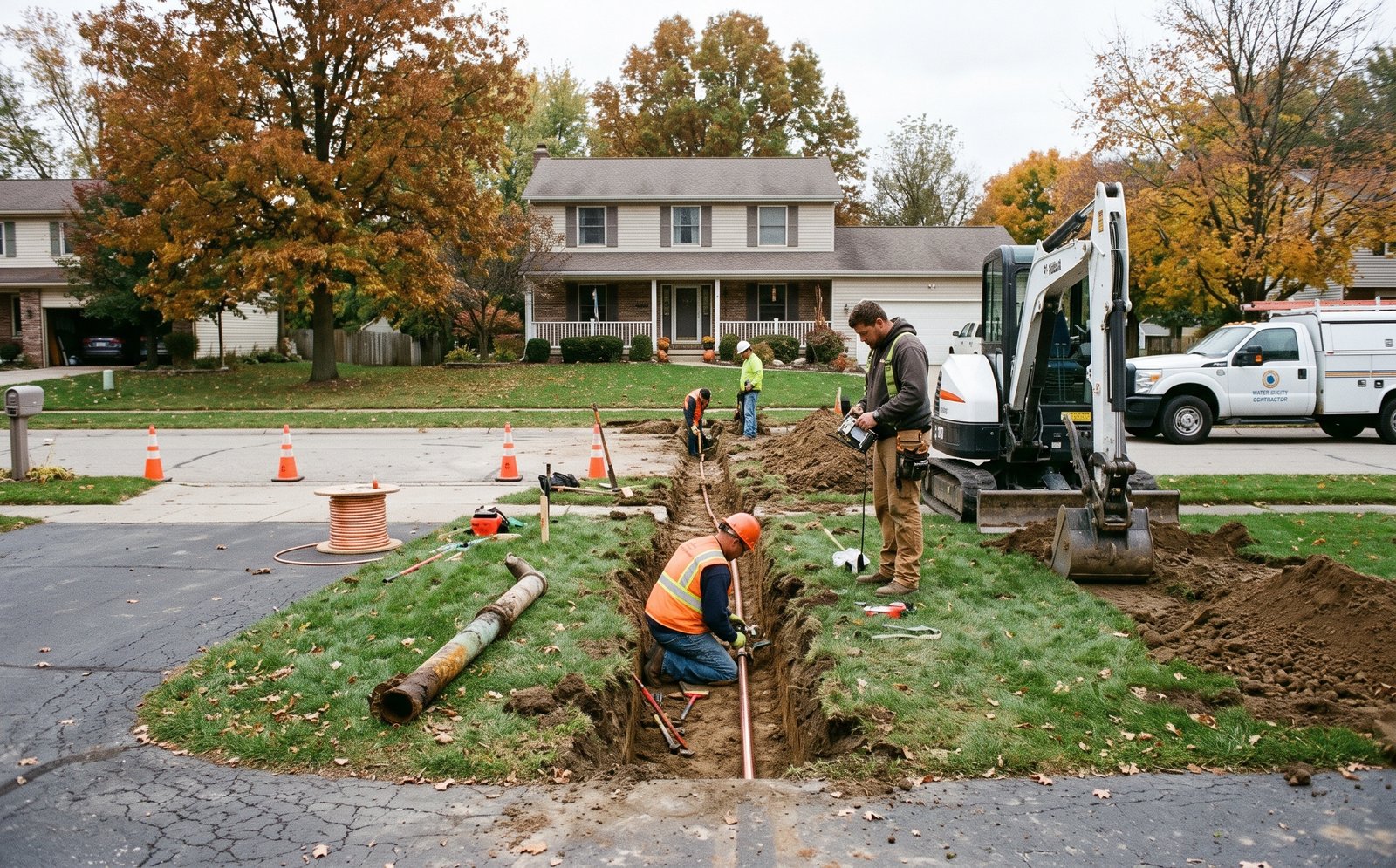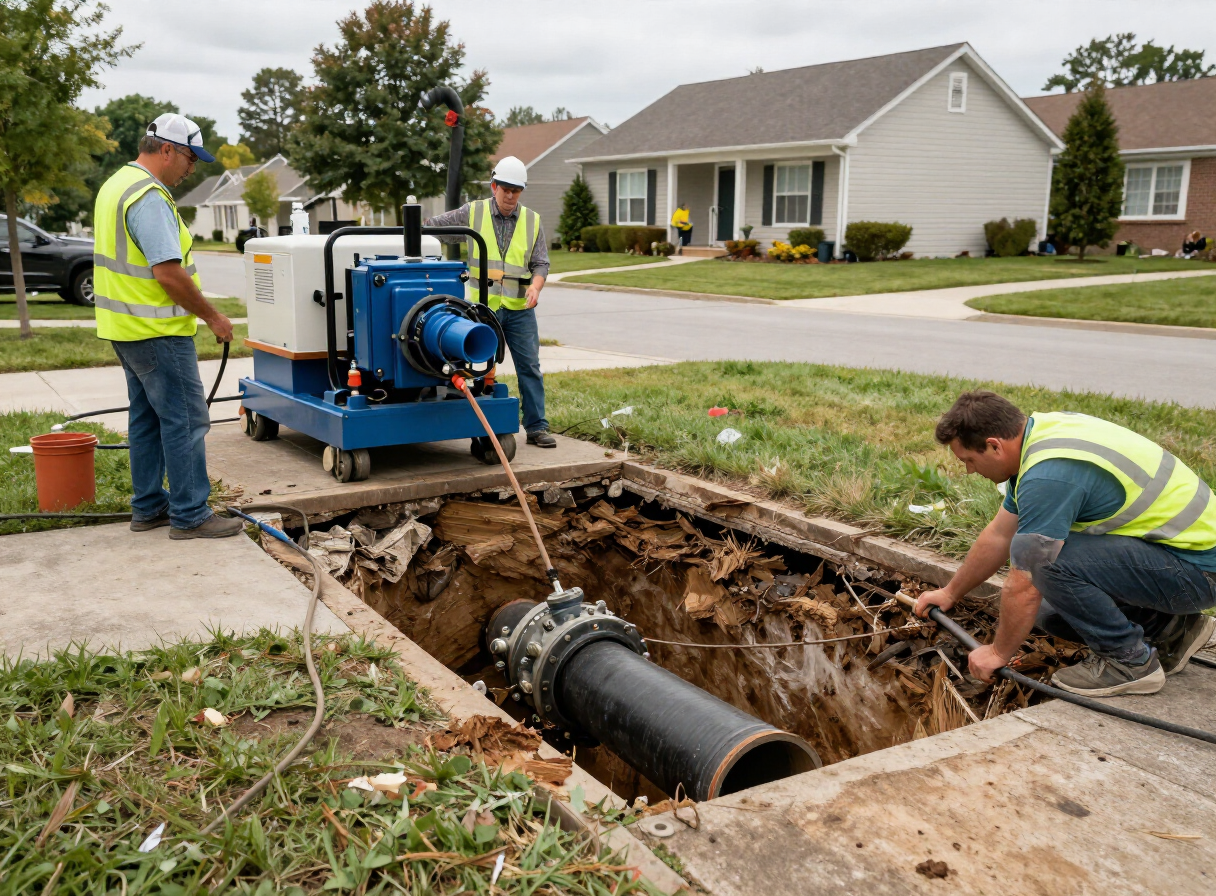
Before the Scalpel, the Pipe: How Plumbers Saved More Lives Than Doctors and Quietly Built Modern Public Health
Clean water in, waste out. The two simplest ideas in sanitation are also the most lethal disease interventions in human history — and the people who build and maintain them have outsaved every physician who ever lived. A plain-language case for the trade that civilization forgot to thank.
By Dana Whitfield, Senior Editor, Infrastructure · · 15 min read
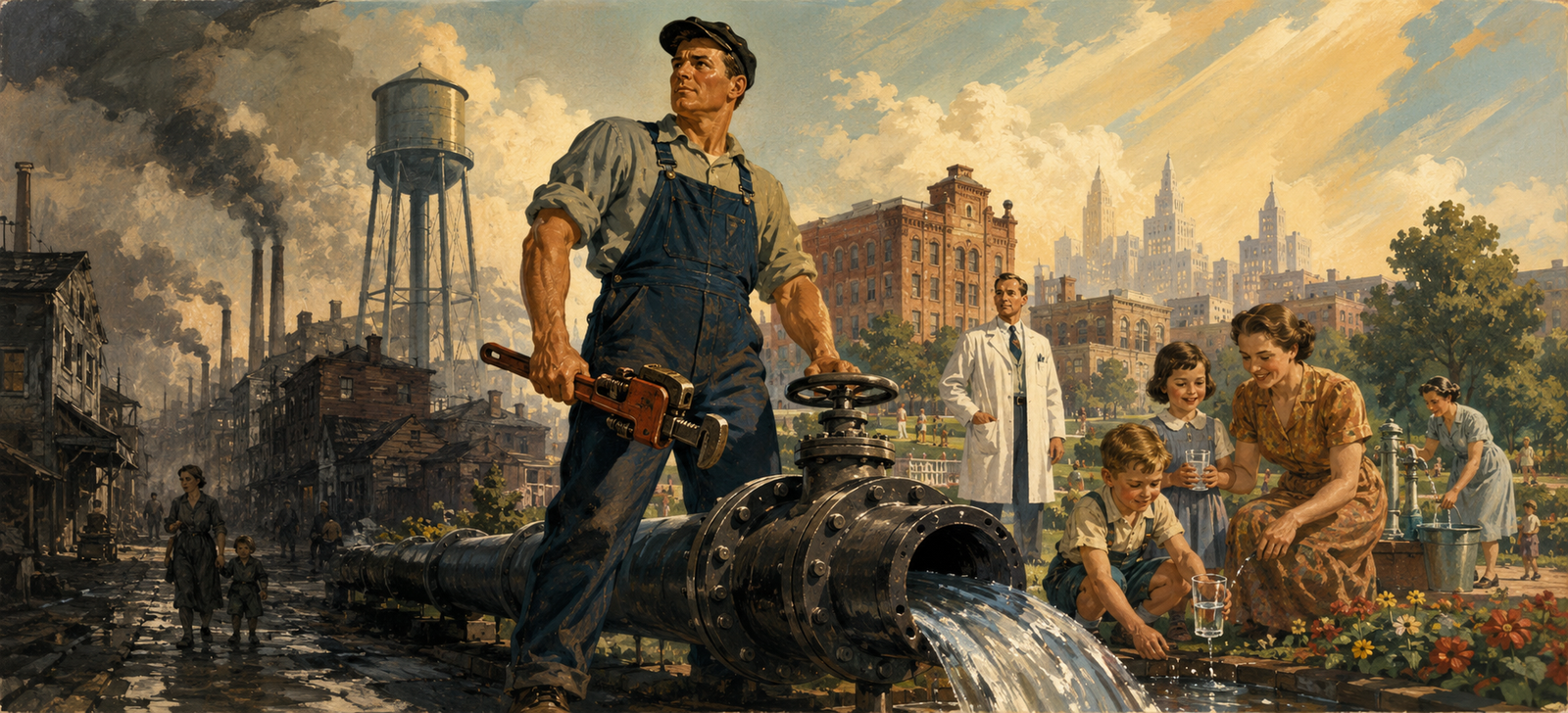
Ask almost anyone to name the profession that has saved the most human lives, and the answer comes back the same: doctors. It is a reasonable answer, and on the level of the individual bedside it is even a correct one. But zoom out to the scale of civilizations, and the picture inverts. The single largest drop in mortality in the recorded history of our species was not delivered by a vaccine, an antibiotic, or a surgeon. It was delivered by pipes. By the time a doctor could treat cholera, the plumber had already prevented it. On our Plumbing Facts desk, we spend a lot of time with the numbers behind the trade, and few of them are as startling as this one.
The argument is not that medicine does not matter — it does, profoundly — but that the public-health floor beneath all of medicine is sanitation, and sanitation is a plumbing system. Every hospital that performs a sterile procedure depends on a pressurized clean-water line and a waste line that carries the contaminated water away. Every hand-washing protocol that holds a pandemic in check depends on a faucet that runs. The case for the plumber as humanity’s quietest lifesaver is laid out plainly in the source essay plumbers have saved more lives than doctors, and it is the case this feature builds out with the history, the data, and the people behind it.
What does it mean that plumbers saved more lives than doctors? A definition for searchers
The claim is a population-level claim, not a clinical one. A doctor saves a life by intervening after a disease has taken hold — diagnosing, prescribing, operating. A plumber saves lives by intervening before the disease ever reaches the body: keeping pathogens out of the water you drink and out of the water you wash with, and carrying human waste away from the place you live. The first strategy treats the sick. The second strategy prevents the sick from ever existing. Across the whole of human history, prevention has always outpaced treatment in raw lives spared, and the infrastructure of prevention is plumbing.
This is why public-health historians, when they rank the great life-saving interventions, consistently put clean water and sanitation at the top of the list — above antibiotics, above immunization, above every breakthrough a medical school teaches. The public health reporting on this site tracks the modern edge of that same idea: water quality, filtration, conservation, and the hygiene practices that only work because a pressurized system makes them possible.
The dawn of sanitation: the first plumbers and the cities that lived
The earliest known plumbing systems date to roughly 4000–3000 B.C., and the civilizations that built them did so because they had already figured out, without a microscope, that fouled water kills. The Indus Valley cities of Mohenjo-daro and Harappa laid out grid streets with covered drains, private bathing platforms, and a Great Bath that speaks to a culture that treated cleanliness as civic architecture. On the island of Crete, the Minoans engineered pressurized terracotta plumbing, flushing latrines, and aqueduct-fed fountains more than three and a half thousand years before the modern flush toilet. These were not luxuries. They were the reason dense cities could exist at all without collapsing under their own waste.
The through-line of plumbing history is that every civilization that figured out how to move clean water in and waste out could support a larger, denser, longer-living population — and every civilization that forgot it paid in epidemics. The trade is older than the written word, and its practitioners have been quietly extending human life since before there was a word for doctor.
Rome’s aqueducts: the engineer’s first great victory over disease
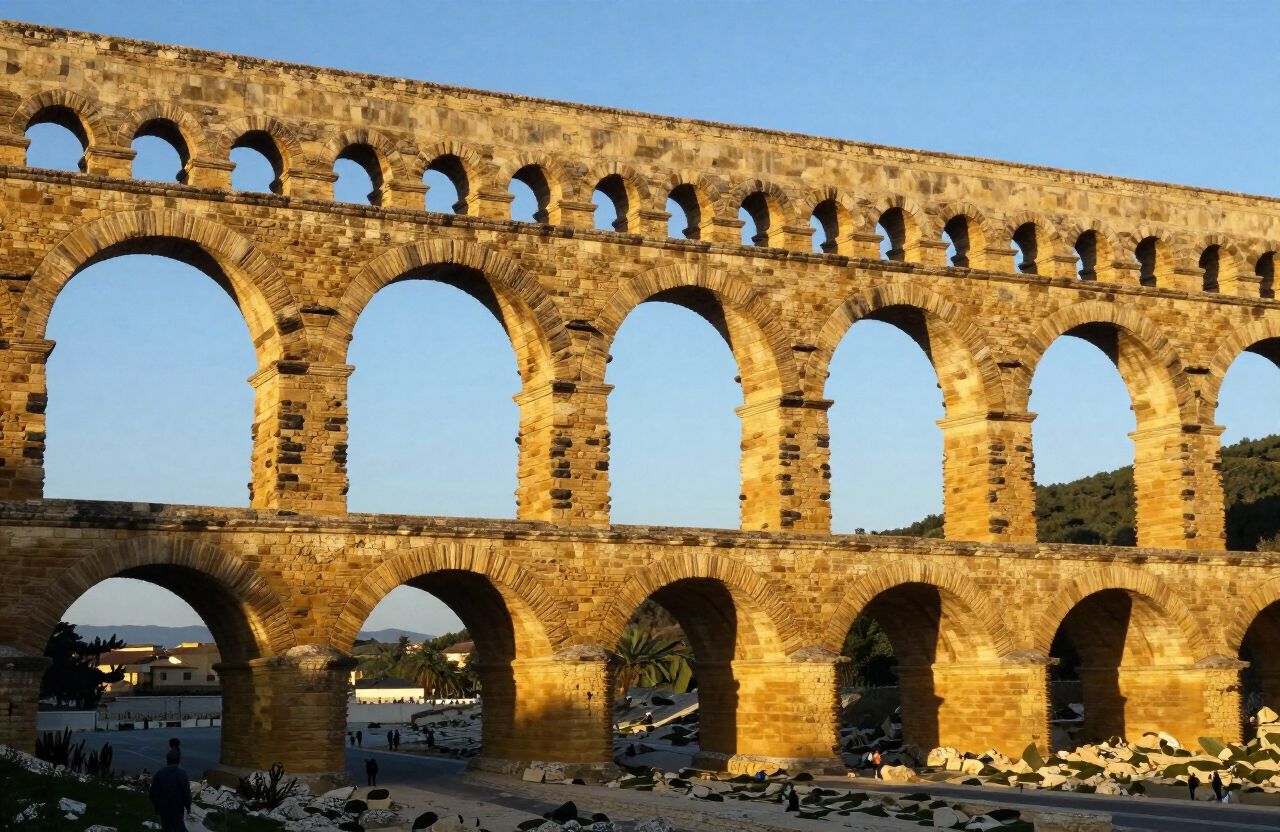
Rome turned plumbing into imperial policy. A network of eleven major aqueducts carried fresh spring water into a city that peaked near a million people, feeding public fountains, bathhouses, and the homes of the wealthy, while the Cloaca Maxima — one of the world’s earliest sewer systems — drained the marshes and carried waste down to the Tiber. The Roman plumbers, the plumbarii whose name comes from the Latin for lead, shaped and laid the pipes that made it all flow. Clean water in, waste out: the same two ideas, executed at a scale that let a metropolis survive.
The result was a city that, for its era, was astonishingly livable. Rome did not have germ theory. It did not have antibiotics. It had engineers and plumbers, and for centuries that was enough to keep a dense urban population from the waterborne collapses that destroyed less-plumbed cities. The lesson Rome left behind is the lesson the whole trade carries: when the infrastructure holds, the city lives; when it fails, the city sickens.
The lost centuries: when Europe forgot the pipe
Then Rome fell, and Europe spent the better part of a millennium forgetting what Rome knew. Aqueducts broke and were not repaired. Sewers clogged and were not cleared. Waste went to the street, the street went to the well, and the well went to the cup. The medieval city was a sanitation disaster by design: chamber pots emptied into gutters, water sources sat downstream of privies, and disease moved through the population with a freedom it had not enjoyed since before the aqueducts. Plague, dysentery, and typhoid became the background condition of urban life.
It is no coincidence that the centuries Europe forgot plumbing were the centuries Europe could not keep its cities healthy. The recovery of urban sanitation — slowly, painfully, over the eighteenth and nineteenth centuries — is the recovery of urban life itself. The trade that built the modern city is the same trade that built the ancient one, and the gap between them is measured in millions of lives that did not need to be lost.
Cholera, John Snow, and the map that proved plumbing beats disease
By the mid-nineteenth century, London was the largest city on earth and a cholera factory. The prevailing theory blamed “bad air,” but the deaths clustered around a single pump on Broad Street in Soho. A physician named John Snow mapped the cases, removed the pump handle, and the outbreak stopped. Snow had not cured a single patient. He had cut the contaminated water supply, and the disease collapsed. It was the moment modern epidemiology was born, and it was also the moment a profession proved its case: the water you drink, not the air you breathe, is what kills you in a cholera epidemic, and the people who control that water are the people who stop the dying.
Snow’s map is taught in every school of public health. What is less often taught is that the map was an argument for plumbing — for separated water and sewer systems, for protected sources, for the piped infrastructure that would, within a generation, make cholera a memory in the wealthy West. The disease that once killed tens of thousands in a single summer became rare not because medicine got better at treating it, but because water infrastructure got better at preventing it.
Joseph Bazalgette and the sewer that saved London
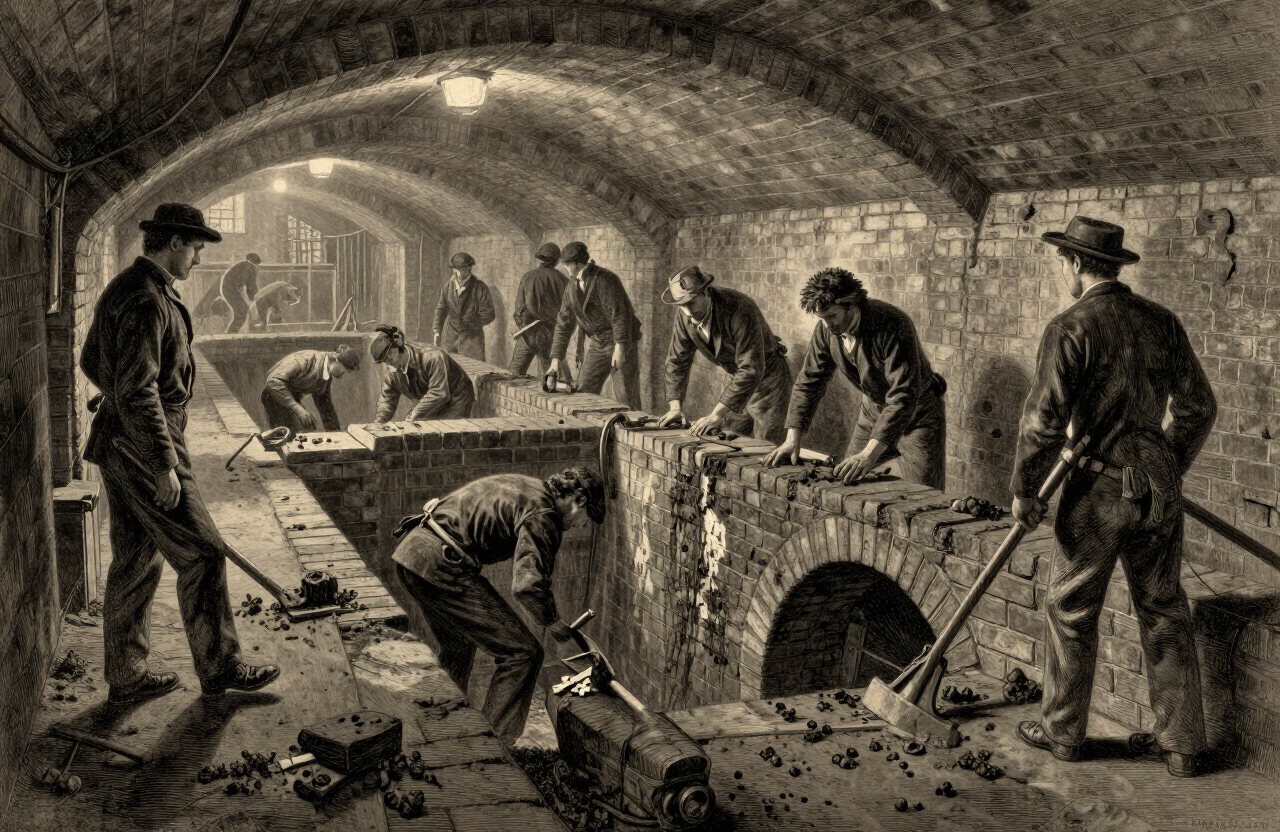
If John Snow diagnosed the disease, Joseph Bazalgette cured the city. A civil engineer who became chief engineer of London’s Metropolitan Board of Works, Bazalgette designed and built a network of 1,100 miles of brick sewers that separated waste from the Thames, carried it eastward, and discharged it downstream of the city. The “Great Stink” of 1858 — when the smell of raw sewage in the river drove Parliament to soak its curtains in lime — was the political crisis that finally funded the work. The plumbers and laborers who laid those brick interceptor sewers, by hand, under the streets of a cholera-stricken capital, executed a plan that saved more lives in its first decades than every physician in London combined.
Cholera deaths in London collapsed after the sewers opened. The city that had been a byword for epidemic became a city where a child could reasonably expect to grow up. Bazalgette gets the plaque, but the work belonged to thousands of tradesmen who understood that a well-laid joint and a true gradient were, quite literally, a matter of life and death. The same principle governs the plumbing contractors we cover today: the skill that protects a city is the skill that protects a house, scaled up.
The doctor who pulls a patient back from cholera saves one life. The plumber whose pipe keeps the cholera out of the water saves a city — and never gets the patient’s name.
Dana Whitfield, Senior Editor, Infrastructure
The twentieth century: plumbing as the great life-extender
The clean-water revolution that began in London rolled across the wealthy world in the late nineteenth and early twentieth centuries, and it is the single most important reason human life expectancy nearly doubled. In the United States, the great municipal water-filtration and chlorination campaigns of the early 1900s drove death rates from typhoid and diarrheal disease off a cliff. Economic historians Cutler and Miller have estimated that clean water was responsible for nearly half of the total mortality reduction in major American cities between 1900 and 1936 — a period that also saw the arrival of modern medicine. The pipes were doing more of the work than the pills.
This is the uncomfortable truth at the heart of the claim. The twentieth century gave us penicillin, the polio vaccine, and the modern hospital, and all of them were genuine miracles. But the floor they stood on — the reason a child in a piped city survived long enough to need them — was laid by plumbers, by water-treatment engineers, and by the municipal crews who kept the system pressurized and the waste moving out. The plumbing news we report every day is, in the long view, the continuation of the most successful public-health intervention in history.
Plumbers on the front line of every modern health crisis
The trade’s life-saving work did not end with cholera. Every modern public-health crisis has a plumbing front line. The 1918 influenza pandemic was fought in part by hand-washing, which only works where pressurized clean water reaches a sink. The COVID-19 pandemic leaned on the same — the single most repeated public-health instruction of 2020 was “wash your hands,” an instruction that is meaningless without the plumber who kept the water on. When a hospital needs an isolation ward plumbed in days, plumbers build it. When a flood contaminates a municipal supply, plumbers and utility crews restore it.
The technology that lets them do it faster and more precisely than ever — video inspection, acoustic leak detection, trenchless rehabilitation, smart metering — is a beat we follow on our plumbing technology desk. None of it replaces the core idea. The core idea is still clean water in, waste out, executed by people who know how a joint is supposed to hold.
The economics of a profession that underpins civilization
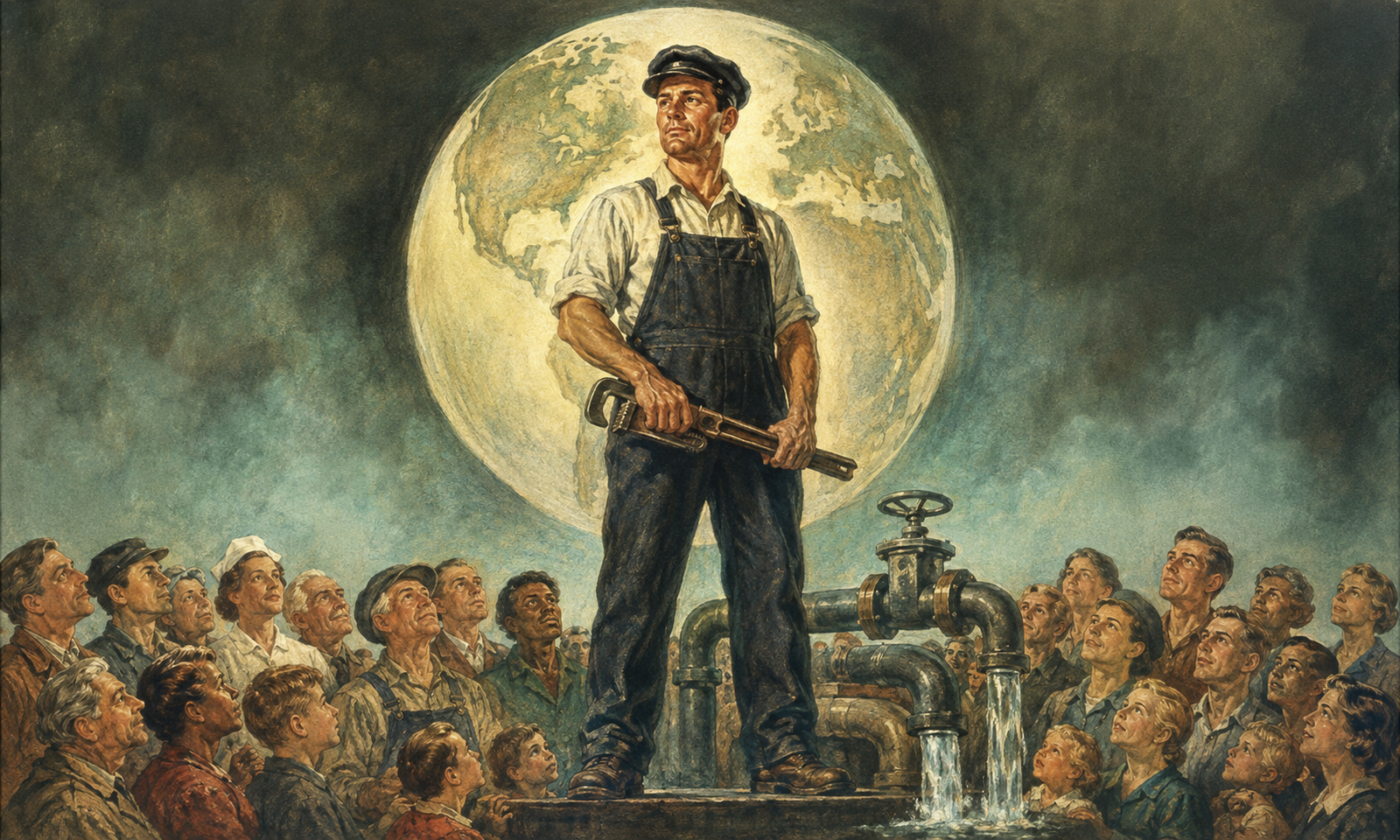
The plumbing industry is also an economic engine that is easy to undervalue precisely because its output is invisible. The U.S. Bureau of Labor Statistics counts roughly half a million plumbers, pipefitters, and steamfitters, with employment projected to grow about as fast as the average occupation through the next decade. Each of those workers is a node in a system that prevents disease, enables every other industry, and returns multiples of its cost in avoided healthcare spending. The World Health Organization’s return-on-investment figures for basic water and sanitation are among the highest in all of public health — a discipline that, again, is mostly plumbing.
The business of keeping that system running — the firms, the recruiting, the succession, the customer experience — is the substance of our plumbing industry coverage. A trade that civilization depends on is a trade that has to be built and managed like one, and the companies that do it well are doing quietly heroic work at a scale that rarely makes a headline.
Green plumbing, water conservation, and the next century
The next chapter of the trade’s life-saving work is conservation and reuse. The plumber who installs a low-flow fixture, a greywater system, or a recirculation pump is not just saving a customer money — they are stretching a finite resource that, in much of the world, is already the binding constraint on public health. The same trade that ended cholera in the wealthy West is the trade that will end water scarcity in the water-stressed parts of the American West, if it is invested in. The water conservation practices and efficient fixtures that plumbers install today are the public-health infrastructure of tomorrow.
Green plumbing is the discipline of doing more public health with less water — reducing consumption, capturing rainwater, reusing greywater, and specifying fixtures that perform without waste. It is the natural evolution of a trade that has always been about managing water as a life resource, and it is where the profession’s oldest mission meets its newest technology.
Why the trade is still underappreciated
If the case is this strong, why is it news to most people that plumbers have saved more lives than doctors? The answer is in the nature of the work. Good plumbing is invisible by design — it disappears into the wall, under the floor, beneath the street. When it works, nothing happens, and nothing is a hard thing to be grateful for. A doctor’s save is dramatic: a patient arrives dying and leaves alive. A plumber’s save is statistical: a disease that would have struck a neighborhood never strikes, and no one ever knows it was coming. The profession is underappreciated because its successes are the absence of disasters, and the human mind is built to notice the disaster, not the disaster that never came.
There is also a class dimension the trade has never fully shaken. Plumbing is manual work, learned in the field, and a culture that overvalues credentials has spent a century quietly ranking it below the professions it outperforms on the only metric that ultimately matters. The plumbing blog at BestPlumbers.com has argued this case for years, and the data has only gotten stronger.
A career that literally saves lives
Reframe the trade this way and it becomes one of the most meaningful careers available to a young person. Plumbing offers job stability, a strong income without student debt, and the satisfaction of work that is unambiguously vital — every house, school, hospital, and factory depends on it, and every system it protects is a system that keeps people alive. The plumbing careers reporting on this site tracks the apprenticeships, the licensing, the pay, and the paths into a trade that is, in the most literal sense, a life-saving profession.
For a young person weighing a desk degree against a skilled trade, the comparison is not even close on the public-service axis. The accountant moves numbers. The plumber moves the water that keeps a city alive. One of those jobs will be remembered, in the long demographic record, as the reason the city was there to be accounted for at all.
What homeowners should know, and where to find help
The case for the plumber is not only historical. It is sitting in your walls right now. The backflow preventer that keeps your garden hose from siphoning contaminated water back into your home’s supply, the pressure regulator that stops a burst, the water heater that kills Legionella at temperature, the leak you cannot see that is quietly rotting a floor and feeding mold — every one of these is a public-health device maintained by a licensed professional. When any of them fail, the right move is not to wait. BestPlumbers.com connects homeowners with residential plumbing services and licensed professionals through its plumbing directory, searchable by city or ZIP.
The same site is a useful starting point for the plumbing products that make a home safer and more efficient — from the luxury plumbing fixtures we cover on our Brands desk to the everyday valves, filters, and fixtures that do the unglamorous work of keeping water clean. The trade’s life-saving logic scales all the way down from the city main to the faucet over your kitchen sink.
The unsung heroes, finally named
From the Indus Valley drains and the Roman aqueducts to Bazalgette’s sewers and the chlorinated American city, the through-line of human health is a pipe, and the person who builds and keeps that pipe is a plumber. They have been quietly saving lives since before there was a word for the work, and they have outsaved every doctor who ever lived — not by being better at medicine, but by making so much of medicine unnecessary. The next time you turn on a faucet and clean water comes out, or flush a toilet and waste disappears, you are touching the most successful public-health intervention in the history of the species. The hands that keep it working deserve the credit, and the case for giving it to them is, finally, undeniable.
It is worth ending where the source essay ends. Over the course of human civilization, plumbers have indeed saved more lives than doctors. The work is behind the scenes, the effects are taken for granted, and the recognition is long overdue. The least a publication called Best Plumbers News can do is say it plainly, with the history and the numbers to back it — and then keep reporting the trade that built, and still builds, the foundation everything else stands on.
Sources
- BestPlumbers.com, “Plumbers Have Saved More Lives than Doctors, The Unsung Heroes,” May 2023
- David Cutler and Grant Miller, “The Role of Public Health Improvements in Health Advances: The Twentieth-Century United States,” 2005
- U.S. Bureau of Labor Statistics, Occupational Outlook Handbook: Plumbers, Pipefitters, and Steamfitters
- World Health Organization and UN-Water, investing in water and sanitation cost-benefit estimates
- Centers for Disease Control and Prevention, historical summaries of cholera, typhoid, and water treatment in the United States
- Steven Johnson, “The Ghost Map: The Story of London’s Most Terrifying Epidemic,” on John Snow and the 1854 Broad Street cholera outbreak
- Historical accounts of Joseph Bazalgette and the construction of the London main drainage system, 1859–1875
Reported for Best Plumbers News. Code, safety and health guidance varies by jurisdiction and changes over time. Confirm requirements with your local authority and a licensed professional.
Sample CMS data. Stories, quotes and figures below are invented for design demonstration.
About the author
Senior Editor, Infrastructure
Dana has covered municipal water systems and public works financing for eleven years, previously for a regional daily in Ohio. She holds a certificate in water resource policy.