Slab leaks: how to find a leak buried under your foundation before it finds your floors
A leak under a concrete slab is the most expensive plumbing problem a homeowner can ignore, because the first symptom is often a water bill, a warm floor, or a crack — not a puddle. Here is how detection, diagnosis, and repair actually work.
By Marcus Ojo, Technology Correspondent · · 11 min read
The hardest plumbing leak to find is the one you cannot see, and the most expensive one to ignore is the one running silently under the concrete slab your house sits on. A slab leak rarely announces itself with water on the floor. It announces itself with a water bill that climbs for no reason, a hot spot on the tile in the hallway, the sound of running water when nothing is on, or a crack in the foundation that was not there last year. By the time any of those symptoms appear, the leak has often been running for weeks. On our Technology desk, slab leak detection is one of the clearest examples of how modern instrumentation changed the trade — and one of the most expensive problems a homeowner can misunderstand.
This guide is the honest version of how slab leaks are found and fixed: what causes them, how detection actually works, what the repair options really cost, and how to hire for it without paying for demolition you did not need.
Why slab leaks happen
A slab leak is a leak in the pressurized water supply line or the drain line that runs under or through a concrete foundation. The causes cluster into a few familiar categories. Electrolysis corrodes copper supply lines where they contact dissimilar metals or soil chemistry turns aggressive. Abrasion wears through a pipe that was installed resting against the concrete or a rock, vibrating against it for decades until the wall thins and fails. Poor installation — under-slab pipes without proper protection, kinked or stressed lines, lines run through sleeves that filled with water — sets up failures that mature ten or twenty years later. And shifting soil, particularly in expansive clays, moves the slab enough to stress the rigid lines buried in it. The result is the same regardless of cause: a pressurized leak under a structure you cannot easily lift.
Hot-water slab leaks are the ones homeowners notice first, because the warm water migrating through the slab creates a literal hot spot on the floor that is hard to miss in bare feet. Cold-water leaks are quieter and more insidious — they show up as a spinning meter with everything off, or as a water bill that has crept up over months. The first diagnostic any homeowner can run is free: turn off every fixture and appliance in the house, then watch the water meter. If it moves, you have a leak somewhere, and the next question is where. The residential plumbing services listings on BestPlumbers.com include leak detection specialists by service area — search your city or ZIP for companies that list slab leak detection as a core service, not a guess.
How detection actually works
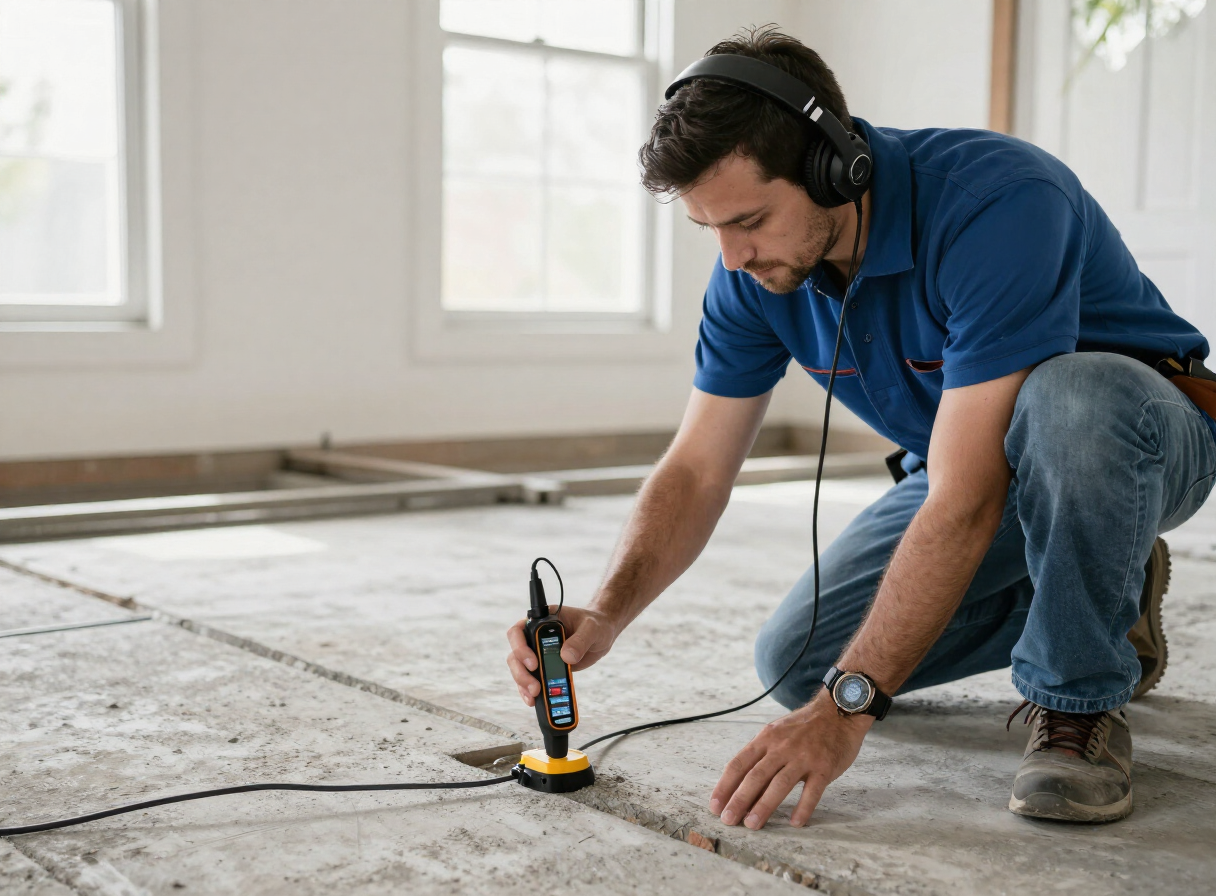
Modern slab leak detection is an instrumentation discipline, and the companies that do it well are the ones whose equipment budget matches their diagnostic claims. The toolkit is specific: electronic amplification listening devices that hear the high-frequency hiss of a pressurized leak through concrete; ground-penetrating radar that maps the pipe runs under the slab so the listener knows where to listen; tracer gas systems that inject a safe gas into the line and detect where it escapes through the leak; and thermal imaging cameras that find the temperature signature of a hot-water leak spreading under the floor. A serious detection visit uses several of these together, triangulates the leak to a small area, and produces a marked location before any concrete is touched. The plumbing blog at BestPlumbers.com carries field-level guidance on leak diagnostics, and the plumbing videos library includes real detection demonstrations — including the Avoid Costly Plumbing Mistakes guide — that show what a competent detection visit actually looks like.
The honest red flag is the opposite: a contractor who proposes to find the leak by breaking the floor open and looking. Jackhammer-first diagnosis is how homeowners end up with three holes in their foundation and the same leak still running. Detection should always precede demolition, and the detection report — leak located, depth estimated, line identified — should be in writing before the repair quote. The pipe repair resources at BestPlumbers.com cover the repair-side decisions that follow a confirmed location, and they are worth reading before the repair conversation so the options are familiar.
The three repair paths and what they really cost
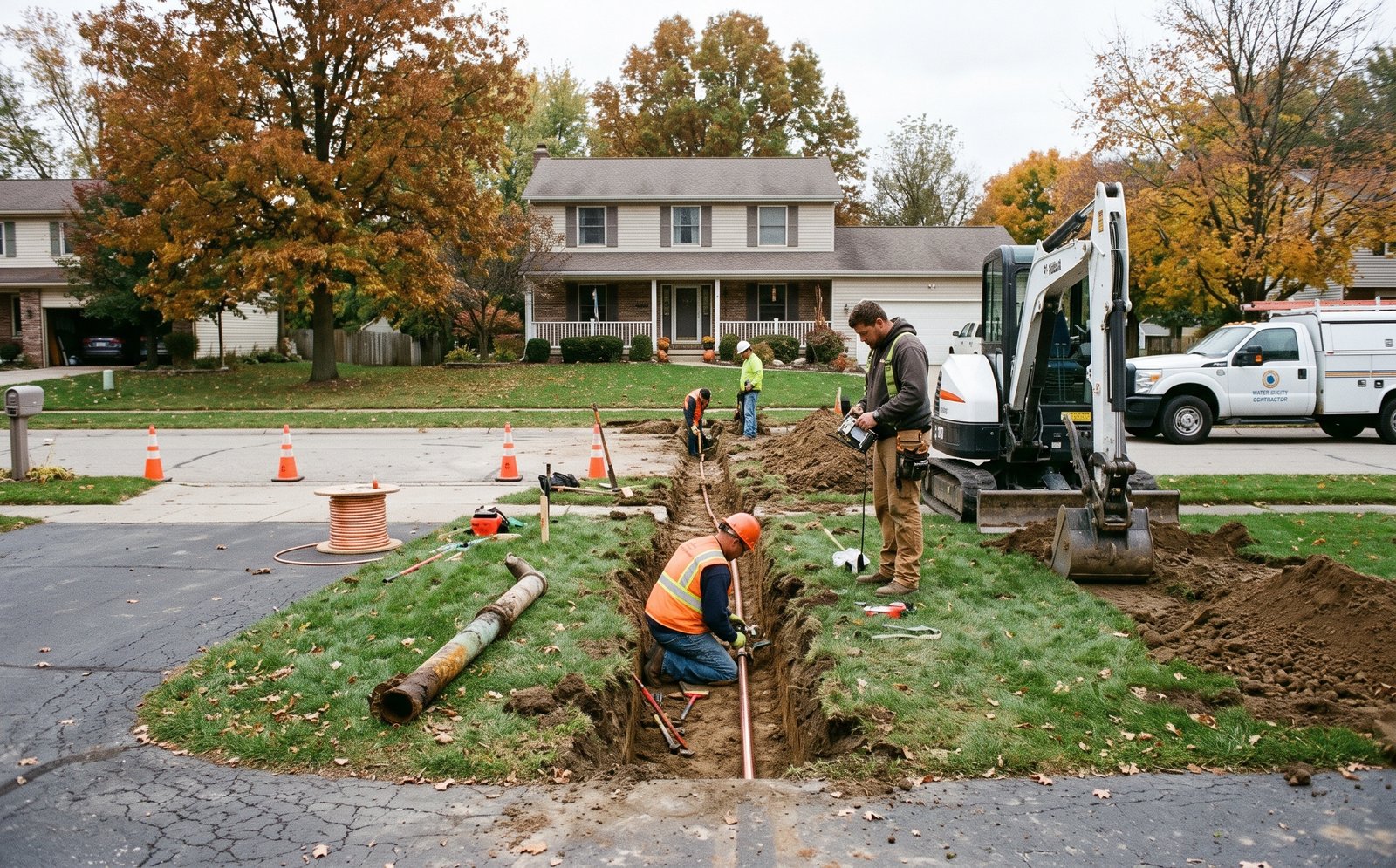
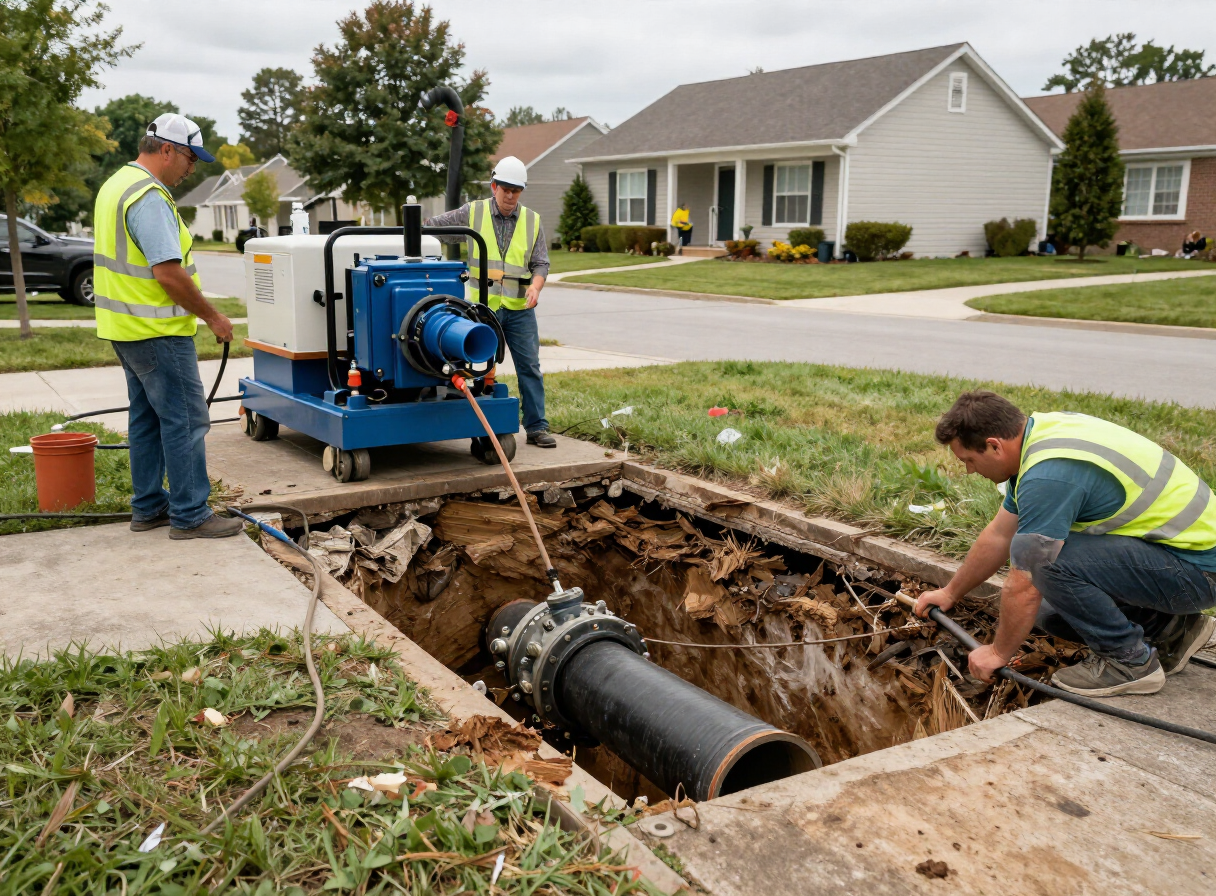
Once the leak is located, the repair options are direct repair, re-routing, and re-piping. Direct repair — breaking a small access hole at the leak and fixing the pipe — is the cheapest and most targeted, but it is only appropriate when the leak is isolated and the rest of the under-slab line is sound. In a house with systemic under-slab corrosion, fixing one leak usually means the next one is months away, and direct repair becomes a recurring cost. Re-routing abandons the under-slab section entirely and runs a new line through the attic or along the exterior, which avoids further slab demolition but trades it for a longer, more visible run that has to be protected from freezing. Re-piping the whole house is the most expensive option and the right one when the under-slab system has failed systemically — it is also the option that ends the problem permanently. Our reporting on predictive leak detection covers the technology layer that increasingly catches these failures before the slab ever gets opened.
The honest pricing principle is that the repair cost is dominated by access, not by the pipe. A direct repair under a tile floor in a finished living room costs more in restoration than the same repair under an unfinished garage slab. A re-route through an accessible attic is cheaper than one through finished ceilings. Get quotes that separate the plumbing work from the restoration work — the floor, the tile, the drywall — because they are often different contractors, and the plumbing coupons page on BestPlumbers.com is a fair place to compare detection and repair offers when the project is confirmed rather than a midnight emergency.
A slab leak is not a plumbing emergency because of the pipe. It is a plumbing emergency because of the floor above it. Detect first, demolish second, and never the other way around.
Marcus Ojo, Technology Correspondent
Prevention and the bigger system
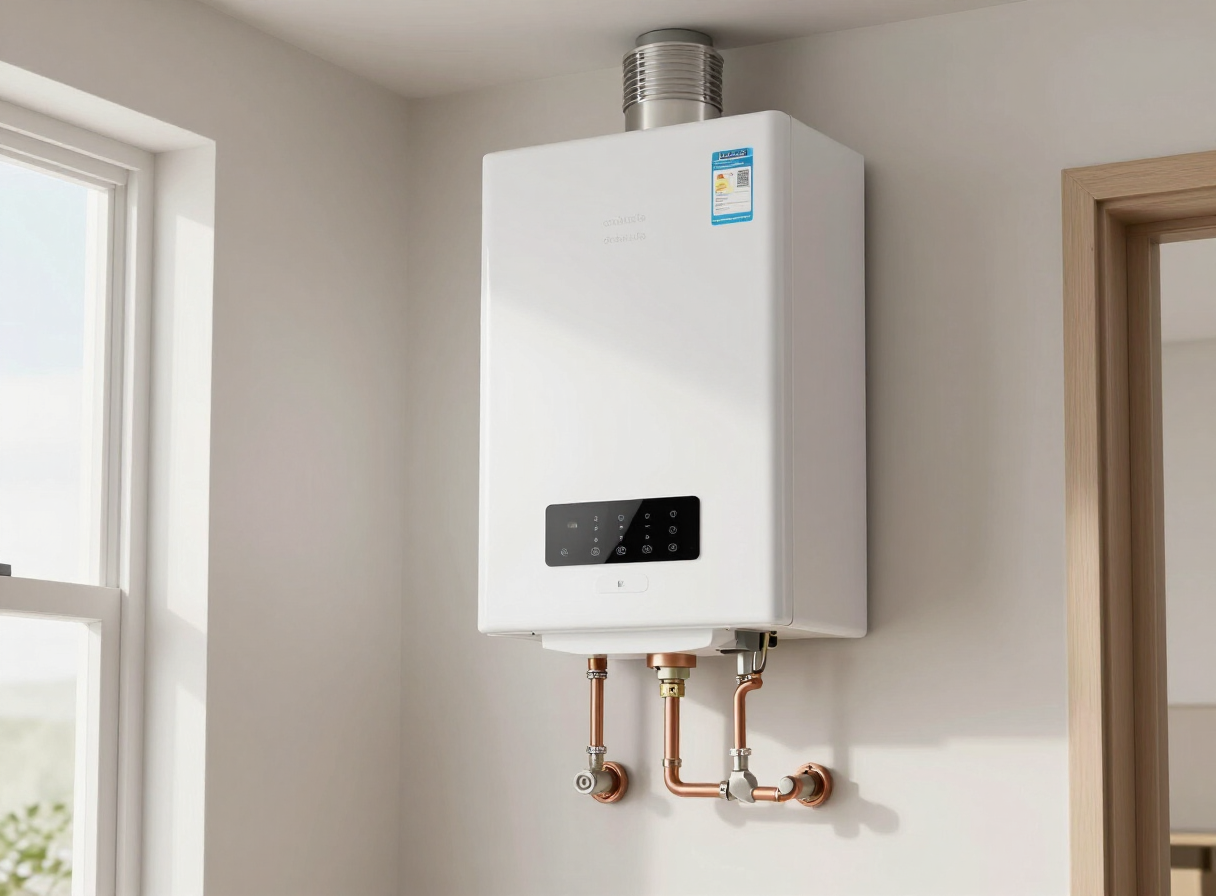
The best slab leak is the one that never happens, and the prevention tier is real even if it is unglamorous. A whole-house pressure regulator set to a sensible pressure reduces the stress on every under-slab line — our water pressure regulator guide covers that in detail. Annual water heater maintenance, addressed in our tankless water heater guide and the tank-side equivalent, reduces the thermal stress that ages supply lines. And a water test, paired with treatment where the water is aggressive, addresses the chemistry that corrodes copper from the inside. The water conservation resources at BestPlumbers.com cover the efficiency habits that pair well with a maintained system, and the plumbing products directory is the reference when a confirmed leak turns into a fixture and pipe replacement project worth doing while the walls are open.
The last honest note is about who you hire. Slab leak work rewards specialization: the companies that own the detection equipment, run it weekly, and stand behind their locations are worth a premium over a generalist who will guess and jackhammer. Search the plumbing directory at BestPlumbers.com by your city or ZIP, read the reviews that describe a slab leak specifically, and call the companies whose customers describe a located leak, a written report, and a repair that held. A slab leak is the most expensive plumbing problem you can ignore — and, handled right, one of the most straightforward to solve.
Sources
- EPA and AWWA guidance on water loss and under-slab leak detection
- Manufacturer documentation for electronic amplification, tracer gas, and thermal leak detection equipment
- Best Plumbers News Technology desk reporting on slab leak detection and repair practice
- BestPlumbers.com leak detection, pipe repair, and installer directory resources
Reported for Best Plumbers News. Code, safety and health guidance varies by jurisdiction and changes over time. Confirm requirements with your local authority and a licensed professional.
Sample CMS data. Stories, quotes and figures below are invented for design demonstration.
About the author
Technology Correspondent
Marcus reports on sensors, software and automation in the mechanical trades. He spent six years as a controls technician before moving to journalism.