Winterize your plumbing: how to keep pipes from freezing, bursting, and flooding your house
A frozen pipe is not a winter inconvenience — it is a delayed flood. The honest guide to freeze protection, from the vulnerable pipes nobody insulates to the single shutoff valve every homeowner must be able to find in the dark.
By Ray Castellanos, Contributing Editor, Trade & Workforce · · 10 min read
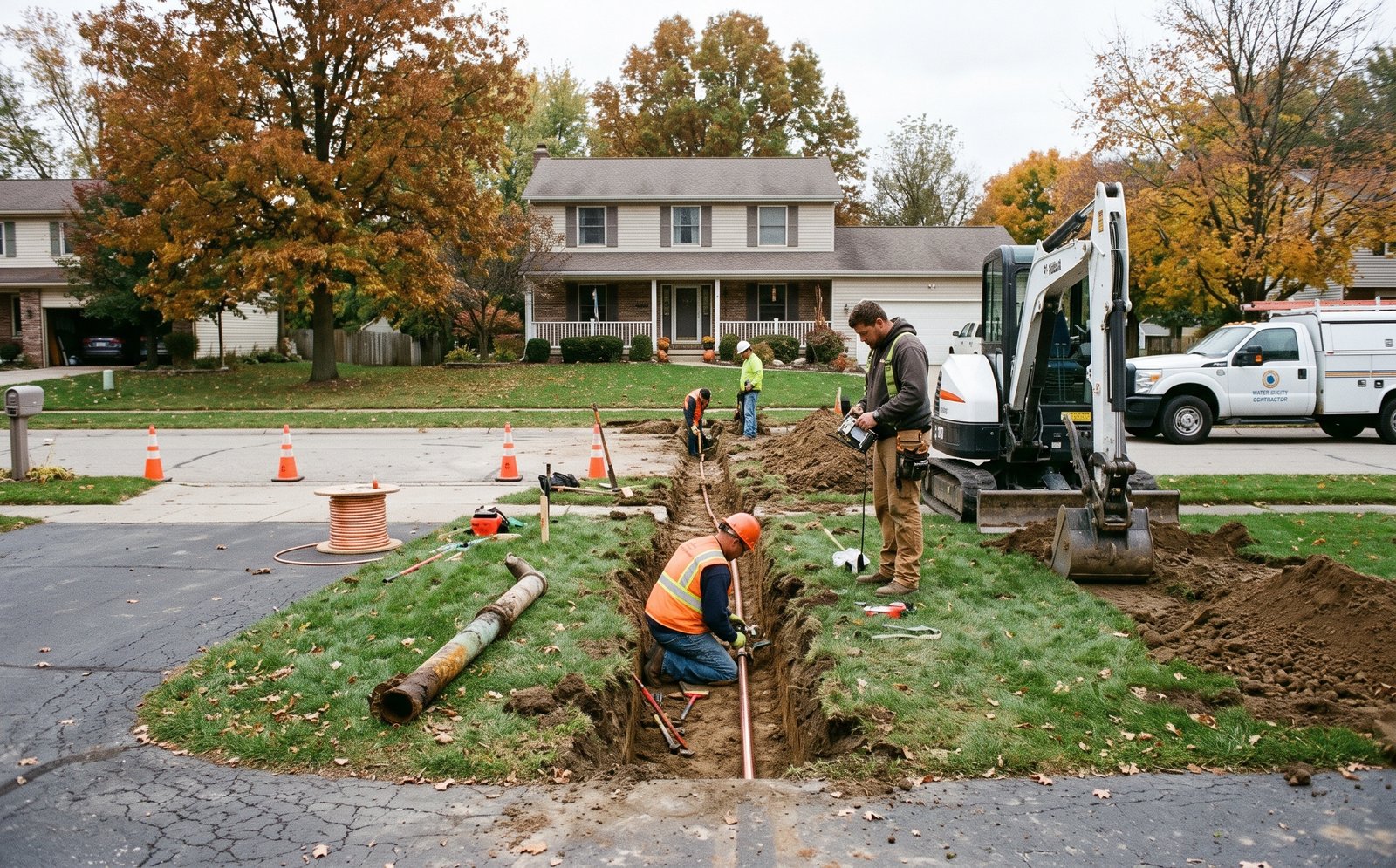
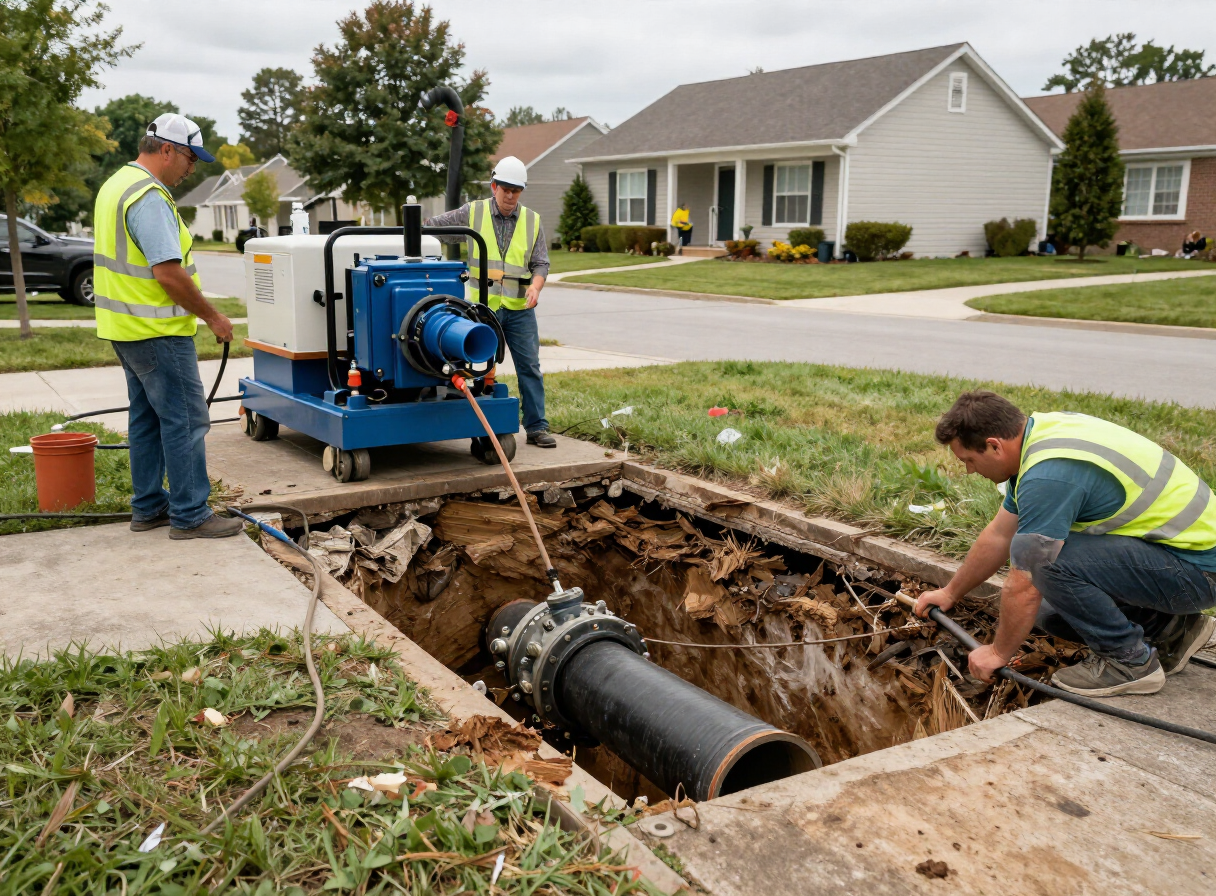
Every winter, the same preventable disaster plays out in thousands of American homes. A cold snap arrives, a pipe in an unheated crawlspace or an exterior wall freezes, the water inside expands, and the pipe splits along a seam the homeowner never knew was there. Then the temperature rises, the ice thaws, and the split pipe opens into a geyser — often while the family is at work or asleep, often into a finished basement, and almost always into a house that was not prepared. On our Plumbing Facts desk, freeze damage is the most predictable, most preventable, and most expensive plumbing failure a homeowner faces, and the work that prevents it is almost entirely unglamorous and inexpensive.
This is the honest winterization guide, from a trade that has spent decades cleaning up the floods that insulation and a found shutoff valve would have prevented. The work is simple. The stakes are not.
Why pipes freeze, and which ones fail first
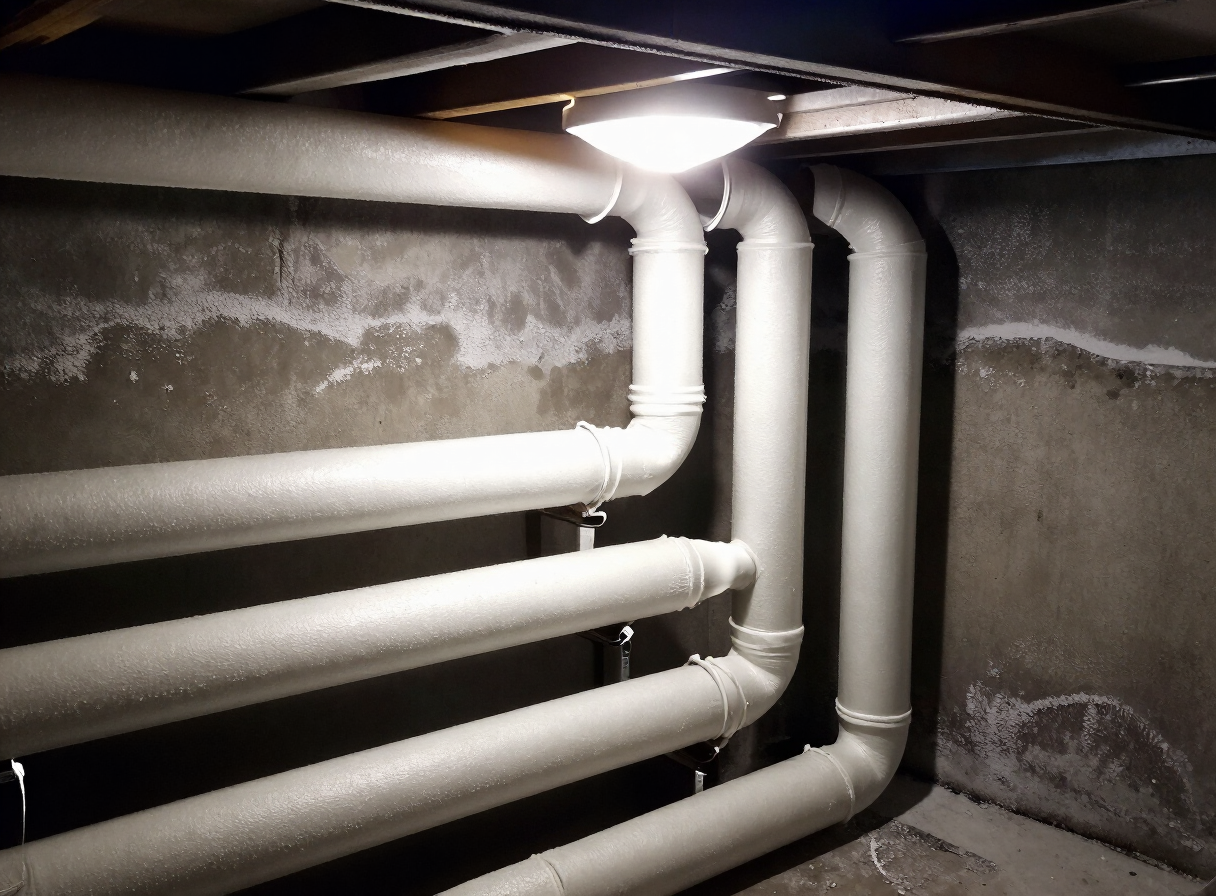
Water expands when it freezes, which is an unusual physical property and the entire reason frozen pipes burst. As ice forms inside a pipe, it pushes outward against the walls; copper and rigid plastic split under that pressure, and the split usually happens at a joint or a seam where the metal is weakest. The pipes that fail first are the ones in the coldest, least-insulated parts of the house: the crawlspace, the attic, the garage, the exterior wall, the hose bib that was not drained, and the pipe that runs along a north-facing foundation. The pipes in the heated interior almost never freeze — which is why the freeze damage is always in the places the homeowner rarely visits. The residential plumbing services listings on BestPlumbers.com include freeze-protection specialists by service area — search your city or ZIP for companies that list winterization and pipe insulation as a service, and schedule it before the first cold snap, not after.
The vulnerability is also a design question. Homes built in mild climates that experience an unexpected cold snap are the most at risk, because their plumbing was never designed for freezing temperatures — pipes run in exterior walls, hose bibs are not frost-free, and insulation is minimal. Homes built for cold climates are usually better protected by code, but age and remodeling can undo that protection. The honest assessment is a walk-through: every pipe in an unheated space, every exterior-wall run, every hose bib, and every spot where cold air reaches a water line is a candidate for insulation or relocation.
The shutoff valve every homeowner must find
If a pipe does burst, the single most valuable skill in the house is the ability to close the main water shutoff valve quickly — and a remarkable number of homeowners cannot find theirs, or find it seized from years of disuse. The valve is usually where the water service enters the house: a basement wall, a crawlspace, a utility closet, or an exterior meter pit. It should be located, labeled, tested annually, and known to every adult in the household. A valve that has not been exercised in a decade may not close when the flood starts, and the few seconds spent finding and testing it in October are the minutes saved in January. The pipe repair resources at BestPlumbers.com cover the shutoff-side of an emergency, and the plumbing blog at BestPlumbers.com carries field-level guidance on locating and exercising main shutoffs that is worth reading before you need it.
The smart water protection stack is the modern complement to a found shutoff — a motorized valve that closes automatically on a leak alert, which we cover in our smart plumbing guide. The two are not substitutes: a manual shutoff is the failsafe that always works, and a smart valve is the layer that closes the water when nobody is home to turn it. The strongest houses have both. The plumbing products directory at BestPlumbers.com is the reference for the shutoff-valve and smart-valve options, and the plumbing coupons page occasionally carries winterization and shutoff-service offers that make the October preparation cheaper than the January flood.
Hose bibs, outdoor lines, and the easy wins
The outdoor faucet is the most common freeze-failure point and the easiest to protect. Disconnect every garden hose before the first freeze — a hose left attached traps water in the bib that freezes and splits the pipe inside the wall. Drain the bib if it has a shutoff and drain port, and install frost-free hose bibs where the home still has the old style. Frost-free bibs extend the valve stem into the heated interior so the water shuts off inside the warm wall rather than at the cold exterior — a small upgrade that prevents a large flood. The bathroom faucets and kitchen plumbing resources at BestPlumbers.com cover the indoor-fixture side of winter readiness, since a cold snap can affect supply lines under exterior-wall sinks that homeowners rarely insulate.
Irrigation systems need their own winterization: blowout of the lines with compressed air, draining of the backflow preventer, and shutoff of the supply to the system. This is the work that protects the irrigation investment and, importantly, the backflow device — our backflow prevention guide covers why that device matters all year, and a frozen, split backflow preventer is a contamination risk as well as a flood. The water conservation resources at BestPlumbers.com frame the irrigation-side habits that pair with a properly winterized system.
A frozen pipe is not a winter problem. It is a delayed flood that waits for the thaw. The insulation you do in October is the basement you keep in January.
Ray Castellanos, Contributing Editor, Trade & Workforce
What to do when a pipe is already frozen
If a faucet stops flowing in a cold snap, assume a frozen pipe and act before it bursts. Open the faucet to relieve pressure — a frozen pipe with no outlet is the one that splits. Apply gentle heat to the exposed section with a hair dryer, a heat lamp, or warm towels, working from the open faucet backward toward the frozen section, and never use an open flame, which has burned down more than one house. If you cannot find the freeze, or if a pipe has already split, close the main shutoff immediately and call a plumber. The plumbing videos library at BestPlumbers.com, including the Avoid Costly Plumbing Mistakes guide, walks through the emergency response that every homeowner should know before the cold arrives.
The honest summary is that winterization is the cheapest insurance in a house. Foam sleeves cost dollars; a burst pipe in a finished basement costs thousands. Locate the shutoff, insulate the vulnerable pipes, drain the outdoor lines, protect the irrigation system, and teach every adult in the house how to close the water in the dark. Then search the plumbing directory at BestPlumbers.com by your city or ZIP, find a licensed company that offers winterization as a service, and let a professional walk the vulnerable spaces once before the cold sets in. The trade has spent a century cleaning up the floods that a few hours of October preparation would have prevented — and the homeowners who do that preparation are the ones whose winters stay dry.
Sources
- American Red Cross and FEMA guidance on preventing and thawing frozen pipes
- International Plumbing Code and local freeze-protection requirements
- Best Plumbers News Plumbing Facts desk reporting on freeze damage and winterization practice
- BestPlumbers.com winterization, pipe insulation, and installer directory resources
Reported for Best Plumbers News. Code, safety and health guidance varies by jurisdiction and changes over time. Confirm requirements with your local authority and a licensed professional.
Sample CMS data. Stories, quotes and figures below are invented for design demonstration.
About the author
Contributing Editor, Trade & Workforce
Ray is a licensed master plumber of 22 years who now writes on training, licensing and labor. He teaches an evening apprenticeship class in Phoenix.